
Synstrophus repandus
(Horn, 1888)
polypore fungus beetle
Synstrophus repandus is a of polypore fungus beetle in the Tetratomidae. It was originally described as Eustrophus repandus by Horn in 1888. The species is distributed across North America, with confirmed records from British Columbia, Manitoba, and New Brunswick in Canada. As a member of Tetratomidae, it is associated with fungal , particularly polypore fungi.
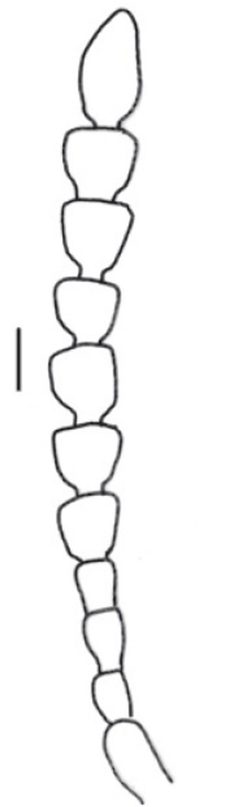
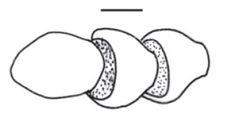
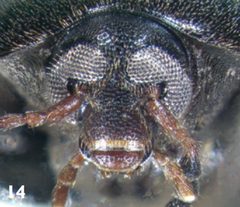
Pronunciation
How to pronounce Synstrophus repandus: /sɪnˈstroʊfəs rɪˈpændəs/
These audio files are automatically generated. While they are not always 100% accurate, they are a good starting point.
Images
Habitat
Associated with polypore fungi (bracket fungi), which serve as the primary microhabitat for this . Polypore fungus beetles in Tetratomidae are typically found on or within the fruiting bodies of wood-decaying basidiomycete fungi.
Distribution
North America. Confirmed records from Canada: British Columbia, Manitoba, and New Brunswick. Distribution likely extends to additional regions of North America based on the broad range indicated, though specific US state records were not found in available sources.
Host Associations
- polypore fungi - Associated with fruiting bodies of polypore (bracket) fungi as microhabitat
Ecological Role
Member of the fungal-associated . As a polypore fungus beetle, contributes to the decomposition of fungal fruiting bodies and nutrient cycling in forest .
Similar Taxa
- EustrophusHistorically placed in Eustrophus; separated based on morphological characters. Eustrophus may occur in similar and require careful examination for proper identification.
- other Tetratomidae generaTetratomidae contains multiple of polypore fungus beetles that share similar ecological associations; accurate identification requires examination of specific morphological characters such as antennal structure and body form.
More Details
Taxonomic history
Originally described by Horn in 1888 as Eustrophus repandus, later transferred to Synstrophus. The Synstrophus was established to accommodate distinct from Eustrophus based on morphological differences.