Pedilus joanae
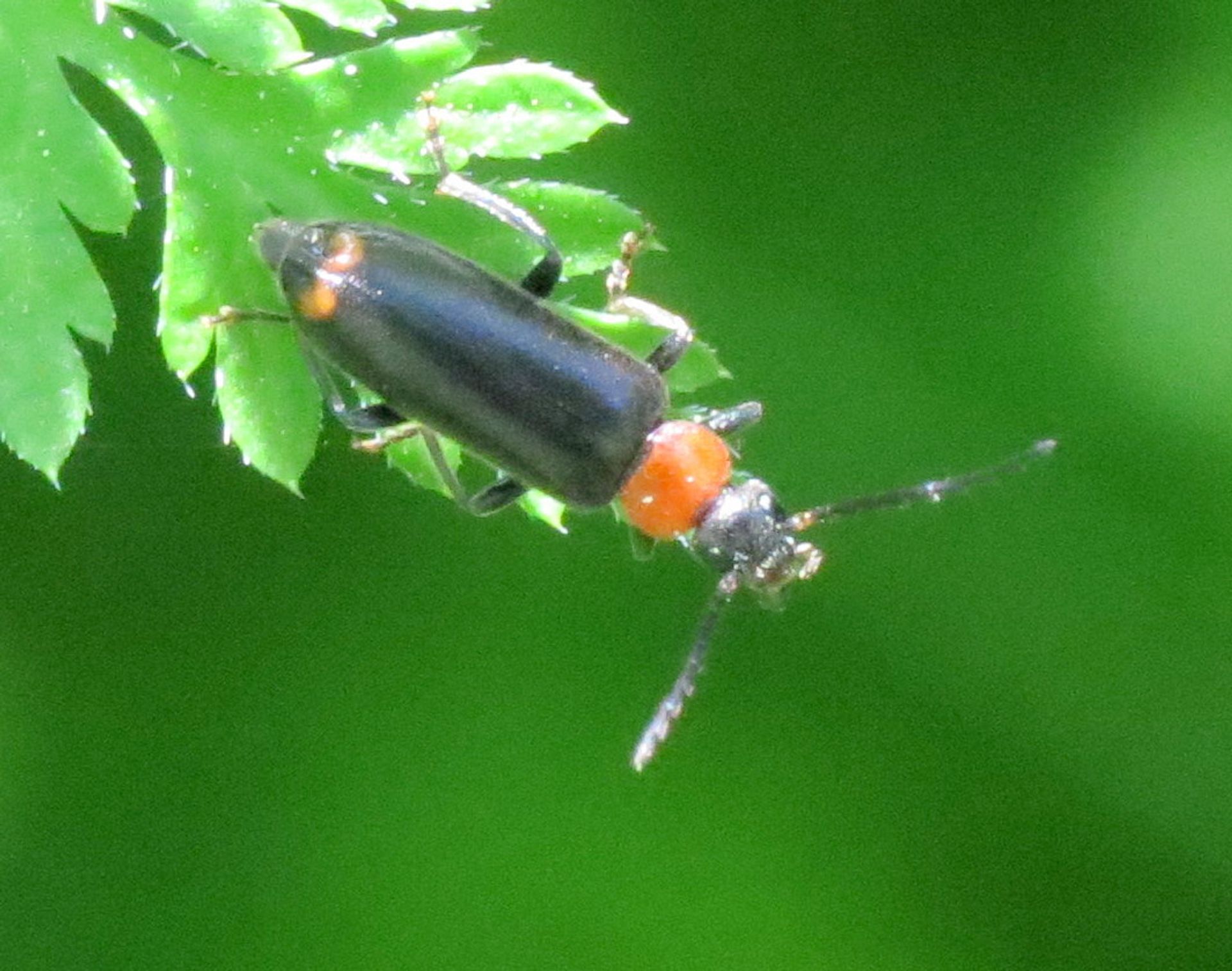
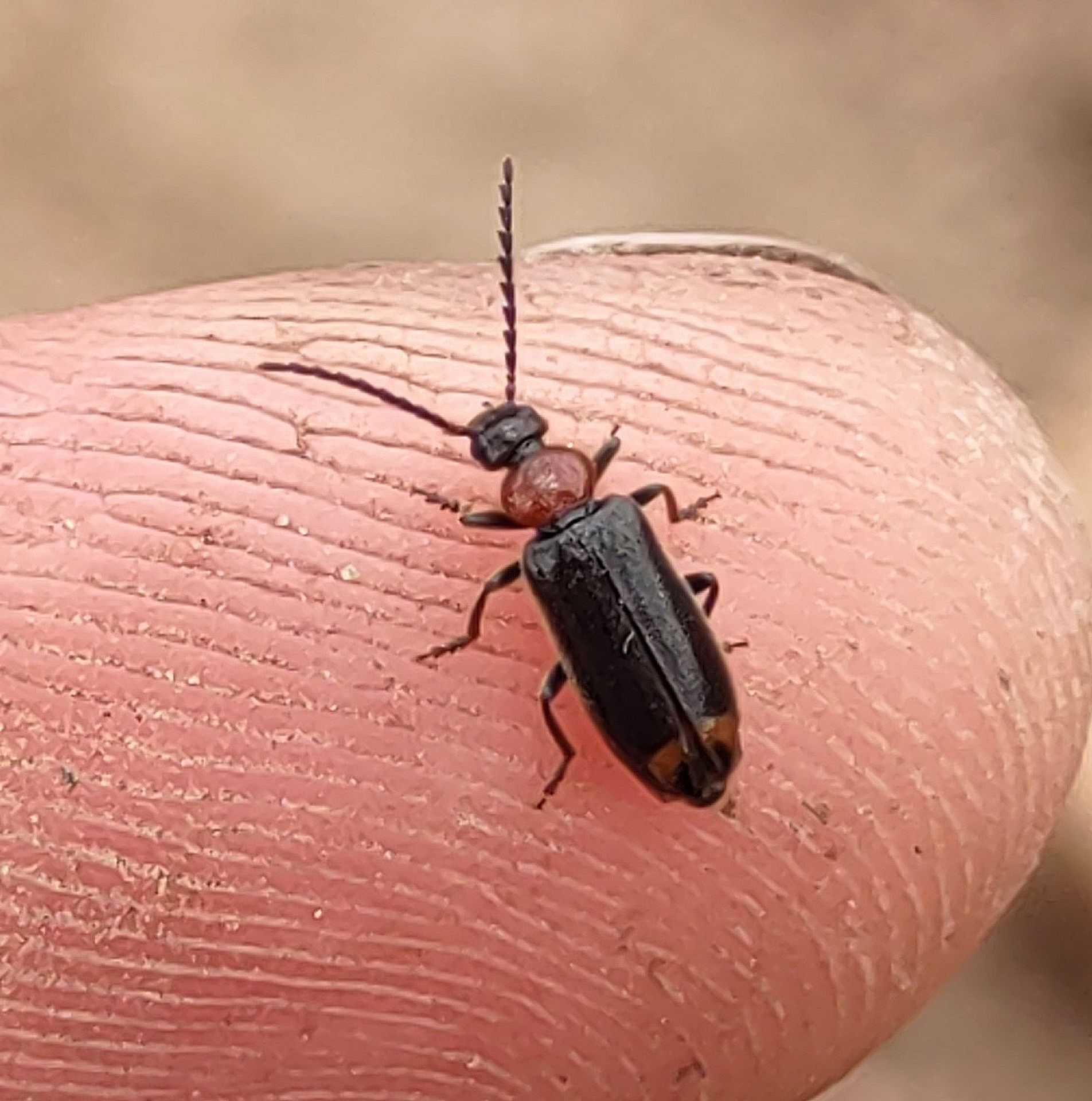
Pedilus joanae is a of in the , commonly known as . The species is named in honor of Joan Chapin. It is one of several North species in the Pedilus, which are recognized for their soft, somewhat flattened bodies and often vivid coloration. Observations suggest it occurs in the eastern United States, though detailed ecological studies remain limited.
Pronunciation
How to pronounce Pedilus joanae: //ˈpɛdɪləs joʊˈɑːniː//
These audio files are automatically generated. While they are not always 100% accurate, they are a good starting point.
Identification
Distinguished from other Pedilus primarily by male and subtle differences in color pattern and body proportions. Identification to species level typically requires examination of specimens by ; field identification is unreliable without dissection or detailed photographic documentation of diagnostic characters.
Images
Habitat
Associated with forested environments, particularly deciduous woodlands. Larval likely includes decaying wood and leaf litter, based on -level .
Distribution
Eastern United States. Specific range boundaries are poorly defined due to limited and taxonomic study.
Seasonality
activity period not well documented; are generally active from late spring through summer.
Ecological Role
likely contribute to decomposition of decaying wood and matter, based on -level . may feed on fungal spores or other organic materials.
Human Relevance
No documented economic or medical importance. Of interest to studying diversity.
Similar Taxa
- Pedilus lugubrisOverlapping eastern US range and similar general appearance; distinguished by male and subtle color pattern differences.
- Pedilus terminalis in parts of range; requires examination of abdominal or for reliable separation.
More Details
Taxonomic History
Described by John Lawrence LeConte in 1866. The specific epithet honors Joan Chapin, though the exact circumstances of the dedication are not well recorded in modern literature.
Conservation Status
Not evaluated by IUCN; insufficient data to assess trends or threats.