
Lytta aeneipennis
(LeConte, 1851)
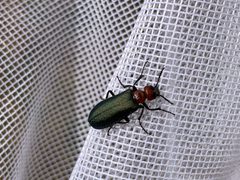
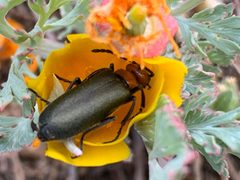
Lytta aeneipennis is a of blister beetle in the Meloidae, occurring in North America. As a member of the Lytta, it produces , a toxic chemical compound that causes blistering upon contact with skin. The species was described by LeConte in 1851. Like other blister beetles, it serves as a chemical defense model in its due to its potent defensive secretions.
Pronunciation
How to pronounce Lytta aeneipennis: /ˈlɪtə ˌiːnaɪˈpɛnɪs/
These audio files are automatically generated. While they are not always 100% accurate, they are a good starting point.
Images
Distribution
North America. The has been documented in museum collections, with 59 specimens recorded in the Entomology Research Museum holdings as of 2010.
Ecological Role
As a blister beetle, L. aeneipennis produces , a defensive compound that serves as a chemical deterrent to . This contributes to its role as an unpalatable or aposematic within its .
Human Relevance
Like other blister beetles, L. aeneipennis produces , which causes blistering of human skin upon contact. Cantharidin is the source of the historical medicinal and aphrodisiac preparation known as Spanish fly, though the European Lytta vesicatoria is the primary commercial source. Blister beetles in general pose a risk to livestock when inadvertently consumed in hay, as cantharidin can be lethal to horses and other farm animals.
More Details
Taxonomic placement
The is placed in the subgenus Poreospasta within the Lytta, based on museum collection records.