Epicauta tenuis
LeConte, 1853
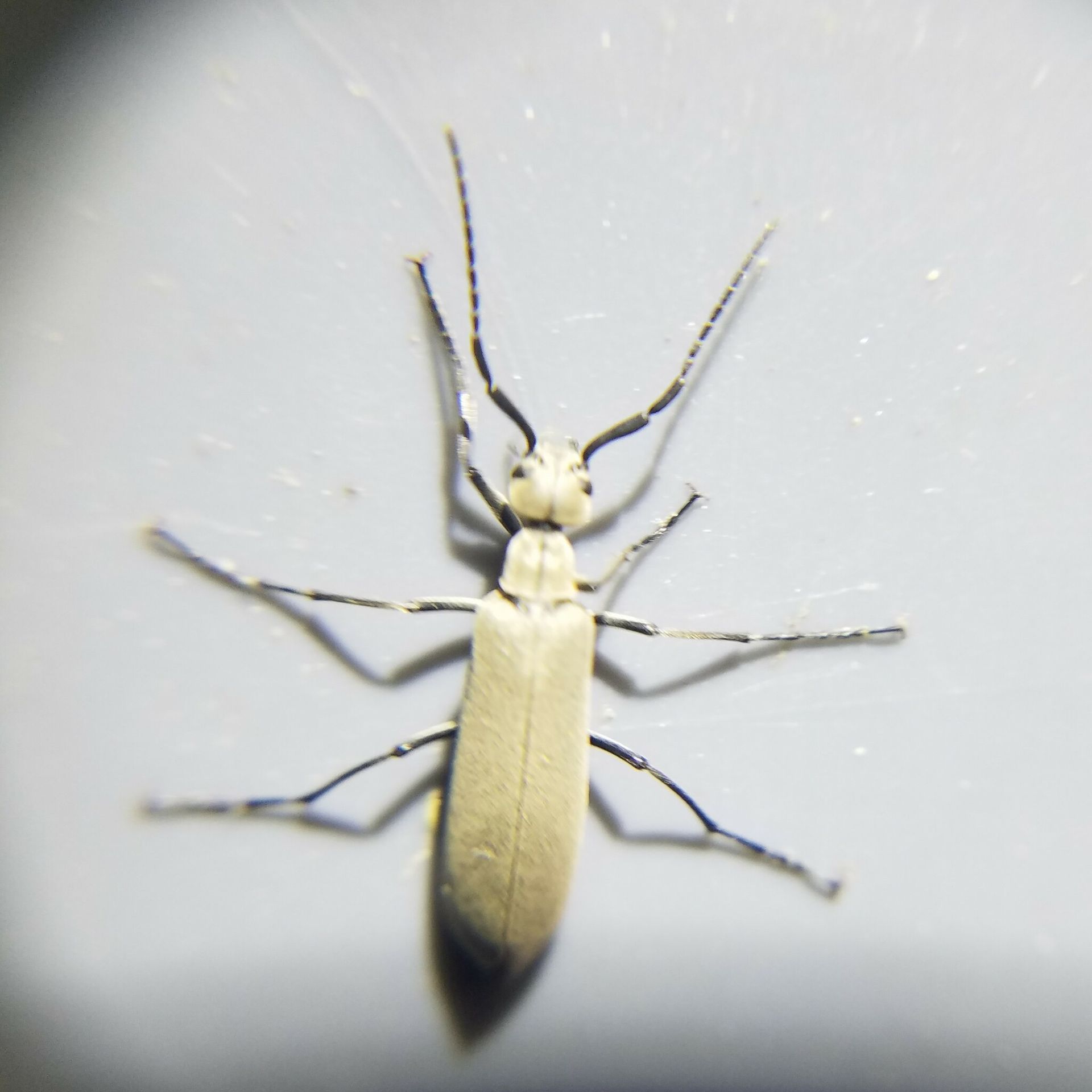
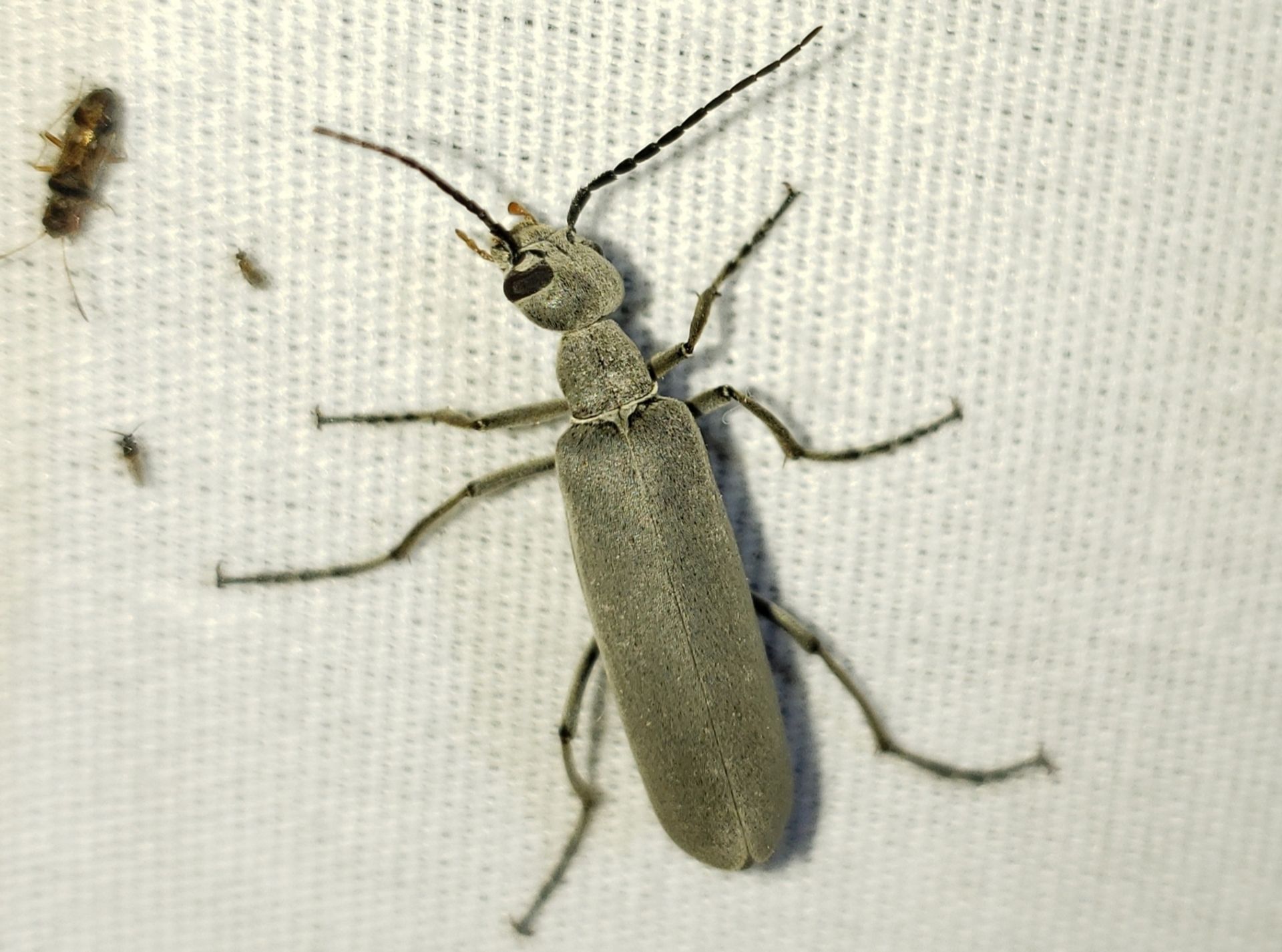
Epicauta tenuis is a North American blister beetle in the Meloidae, Meloinae, and tribe Epicautini. The was described by John Lawrence LeConte in 1853 and is currently classified in the subgenus Macrobasis. It is one of approximately 150 described species in the large Epicauta, which is distributed primarily in the New World. The species is known from museum collections in North America, with specimens documented in the Entomology Research Museum at the University of California, Riverside.
Pronunciation
How to pronounce Epicauta tenuis: /ˌɛpɪˈkaʊtə ˈtɛnjuɪs/
These audio files are automatically generated. While they are not always 100% accurate, they are a good starting point.
Identification
Epicauta tenuis is distinguished from other Epicauta by its placement in the subgenus Macrobasis, which is characterized by specific morphological features including antennal structure and body form. The species epithet 'tenuis' (Latin for 'thin' or 'slender') suggests a relatively gracile body form compared to . Accurate identification requires examination of genitalic characters and comparison with closely related species in the Macrobasis subgenus, particularly E. tenella and E. tenuicornis, which share similar slender proportions. The species has 8 specimens documented in the UCR collection.
Images
Distribution
North America. Specific locality data are sparse in available sources, but the is documented from regions within the southwestern United States based on museum holdings. The Entomology Research Museum at UC Riverside holds 8 specimens of this species.
Similar Taxa
- Epicauta tenellaShares subgenus Macrobasis and similar slender body form; distinguished by specific antennal and genitalic characters
- Epicauta tenuicornisShares subgenus Macrobasis and similar 'slender' etymology; requires careful examination of antennal proportions for separation
- Epicauta tenuemarginataShares subgenus Macrobasis and similar naming convention; distinguished by marginal characters of
More Details
Nomenclatural Note
The was originally described by LeConte in 1853. The specific epithet 'tenuis' is Latin, meaning thin, slender, or fine—likely referring to some aspect of the species' relative to . The species is currently maintained in the subgenus Macrobasis, one of two primary subgenera in Epicauta (the other being Epicauta s. str.).
Collection History
The is represented by 8 specimens in the J. Pinto collection at the Entomology Research Museum, University of California, Riverside, as of April 2010. This relatively low specimen count compared to abundant like E. puncticollis (806 specimens) or E. pruinosa (562 specimens) suggests either genuine rarity or restricted distribution and specificity.