
Cnopus impressus
(LeConte, 1875)
ant-like leaf beetle
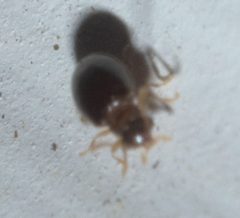
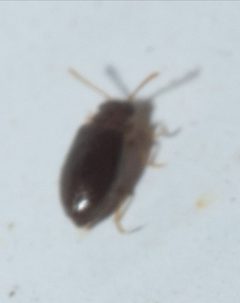
Cnopus impressus is a small in the Aderidae, commonly known as ant-like leaf beetles. The species was described by LeConte in 1875 and is known to occur in North America. Like other members of Aderidae, it exhibits an -like appearance, which serves as a form of protective mimicry. The family Aderidae is a relatively small group of beetles with approximately 50 worldwide, characterized by their compact body form and association with decaying plant matter.

Pronunciation
How to pronounce Cnopus impressus: /ˈknoʊ.pəs ɪmˈpreː.səs/
These audio files are automatically generated. While they are not always 100% accurate, they are a good starting point.
Identification
Can be distinguished from other small, -mimicking beetles by combination of: -level characters including 11-segmented with a 3-segmented club, pronotum with distinct lateral margins, and association with decaying plant matter. Within Aderidae, identification to level requires examination of male genitalia and other fine structural details. Distinguished from true ants (Formicidae) by presence of (hardened forewings), which ants lack.
Images
Habitat
Specific microhabitat preferences not documented, but Aderidae is generally associated with decaying vegetation, leaf litter, and rotting wood. Members of the family are often found in moist, shaded environments with abundant organic matter.
Distribution
North America. Specific range details beyond continental occurrence are not documented in available sources.
Similar Taxa
- Other Aderidae speciesSimilar -like appearance and body form; require detailed examination for separation.
- Formicidae (true ants)Convergent -like appearance; distinguished by presence of in beetles versus absence in ants, and different wing structure.
- Anthicidae (ant-like flower beetles)Similar and -mimicking habit; distinguished by different antennal structure and other -level characters.
More Details
Taxonomic History
The was described by John Lawrence LeConte in 1875, one of the most prolific describers of North American beetles in the 19th century.
Family Characteristics
Aderidae, the ant-like leaf beetles, is a small with approximately 500 in about 50 worldwide. The family was historically placed near Cucujidae but is now considered part of the superfamily Tenebrionoidea. Members are characterized by their small size (usually 1-3 mm), -like appearance, and association with decaying plant materials.