
Pseudopsinae
Ganglbauer, 1895
Genus Guides
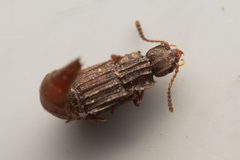
3Pseudopsinae is a small of rove beetles (Staphylinidae) containing four extant —Pseudopsis, Nanobius, Asemobius, and Zalobius—with approximately 55 . The subfamily is distinguished by longitudinal carinae on the , pronotum, and , and a fine stridulatory file on the genital segment. Fossil records extend to the Lower Cretaceous (~125 Ma), indicating an ancient origin. Members inhabit moist microhabitats including forest leaf litter, fungi, and riparian moss.
Pronunciation
How to pronounce Pseudopsinae: /sjuːˈdoʊpsɪniː/
These audio files are automatically generated. While they are not always 100% accurate, they are a good starting point.
Identification
Distinguished from other Staphylinidae by the combination of: longitudinal carinae on pronotum and ; fine stridulatory file on genital segment; and separated mesocoxae. The four extant differ in carination, maxillary palpomere proportions, and pronotal margin shape. Zalobius, Nanobius, and Asemobius are restricted to western North America; Pseudopsis has broader distribution.
Images
Habitat
Moist, decaying organic matter in forested environments. Specifically: fungi, forest leaf litter, flood debris, moss along streams, , and mammal nests. From coastal areas to mountainous regions. The Cretaceous fossil-bearing paleoenvironment was a humid coniferous forest with swampy lake margins.
Distribution
Extant: Holarctic, Neotropical, northern Oriental, and Australasian regions. In North America: southern British Columbia to central California (Zalobius); southern British Columbia to southern California and southwest California (Nanobius and Asemobius); broader Nearctic and Palearctic distribution (Pseudopsis). Fossil: Lower Cretaceous Yixian Formation of northeastern China (~125 Ma) and mid-Cretaceous Burmese amber (~99 Ma).
Human Relevance
No documented economic importance. Collected primarily through sifting and Berlese extraction of leaf litter for scientific study.
Similar Taxa
- Other Staphylinidae subfamiliesPseudopsinae is distinguished by the unique combination of pronotal/elytral carinae, genital stridulatory files, and separated mesocoxae—features not found together in other .
More Details
Fossil Record
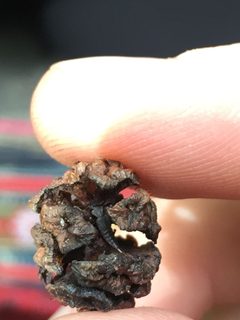
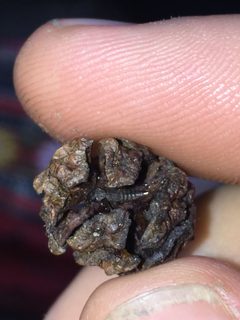
The oldest known pseudopsine, Cretaceonanobius fossilis, from the Lower Cretaceous Yixian Formation (~125 Ma), predates Cretopseudopsis maweii from Burmese amber (~99 Ma). These fossils demonstrate derived characters uniting them with extant Pseudopsinae and suggest a Gondwanan distribution in the Cretaceous.
Systematics
With only four and ~55 , Pseudopsinae represents one of the smallest in the megadiverse Staphylinidae. The subfamily has remained morphologically conservative for over 100 million years based on fossil evidence.
Sources and further reading
- BugGuide
- Wikipedia
- iNaturalist taxon
- NCBI Taxonomy
- Catalogue of Life
- First fossil pseudopsine rove beetle from mid-Cretaceous Burmese amber (Coleoptera: Staphylinidae: Pseudopsinae)
- The oldest fossil record of Pseudopsinae from the Lower Cretaceous Yixian Formation of northeastern China (Coleoptera: Staphylinidae: Pseudopsinae).