
Pselaptrichus
Brendel, 1889
Species Guides
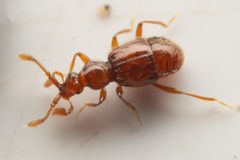
1Pselaptrichus is a of ant-loving beetles in the Staphylinidae, described by Brendel in 1889. The genus contains more than 30 described . These beetles belong to the Pselaphinae, a diverse group of small rove beetles characterized by their ecological associations with ants and other social insects.
Pronunciation
How to pronounce Pselaptrichus: /sɛˈlæptrɪkəs/
These audio files are automatically generated. While they are not always 100% accurate, they are a good starting point.
Identification
Members of Pselaptrichus can be distinguished from other pselaphine by their placement in the tribe Bythinini. As with many Pselaphinae, are small-bodied with compact, often sculptured and reduced wing venation. Specific diagnostic features for the genus require examination of male genitalia and other minute morphological characters.
Images
Habitat
Ant-loving beetles in the Pselaphinae are generally found in leaf litter, soil, and decaying wood in forested environments, often in close proximity to colonies.
Host Associations
- Formicidae - associated withPselaphinae are commonly known as ant-loving beetles due to their frequent occurrence in nests and surrounding microhabitats. The nature of this association (commensal, mutualistic, or predatory) varies and has not been specifically documented for Pselaptrichus.
Similar Taxa
- Other Bythinini generaPselaptrichus shares tribal placement with other small pselaphine . Differentiation relies on subtle morphological characters including details of the maxillary palps, abdominal sternites, and male genitalia.
- Other Pselaphinae generaThe contains hundreds of morphologically similar . Identification to genus level requires specialized taxonomic keys and microscopic examination.
More Details
Taxonomic history
The was established by Brendel in 1889 within the tribe Bythinini. The group has received limited modern taxonomic revision, and -level diversity is likely underestimated.
Research challenges
Pselaphine beetles are among the most taxonomically difficult groups of Coleoptera due to their small size (often under 2 mm), conserved external , and dependence on dissection of genitalia for identification. This has resulted in limited ecological and behavioral data for most , including Pselaptrichus.