
Megarafonus
Casey, 1897
ant-loving beetles
Species Guides
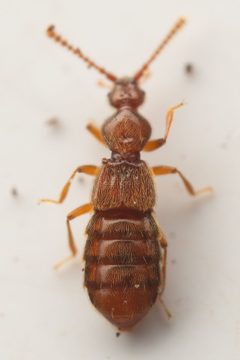
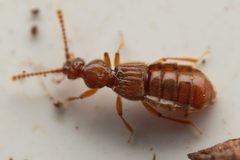
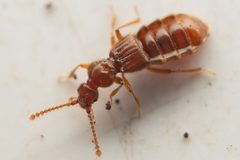
1Megarafonus is a of ant-loving beetles in the Staphylinidae, established by Casey in 1897. The genus contains approximately seven described , distributed primarily in North America. These small rove beetles are myrmecophilous, meaning they live in association with ants. The genus has been subject to taxonomic uncertainty, with ongoing research seeking to clarify its phylogenetic position within the Pselaphinae .
Pronunciation
How to pronounce Megarafonus: //ˌmegəˈræfənəs//
These audio files are automatically generated. While they are not always 100% accurate, they are a good starting point.
Identification
-level identification within Megarafonus requires examination of male genitalia (). The is distinguished from related genera by subtle morphological characters, though specific diagnostic features for the genus as a whole are not well-documented in accessible literature.
Images
Habitat
Found in leaf litter and soil , typically in association with colonies. Specific microhabitat preferences vary by .
Distribution
North America, with recorded from various regions including the eastern and western United States. Specific distribution records for individual species are sparse in the provided sources.
Host Associations
- ants - myrmecophilyLives in association with colonies
Ecological Role
Members of the leaf litter ; their specific ecological functions remain poorly studied.
Similar Taxa
- SonomaBoth are Pselaphinae with myrmecophilous habits and similar body plans; ongoing research seeks to clarify phylogenetic relationships between these genera.
More Details
Taxonomic Uncertainty
The phylogenetic placement of Megarafonus within Pselaphinae is currently under investigation. Molecular data are lacking for most , with many specimens in collections being 30+ years old. Fresh specimens and are needed to resolve whether Megarafonus represents a distinct lineage or should be synonymized with related .
Species Diversity
Seven are currently recognized: M. haigi, M. lajuneae, M. lentus, M. mancus, M. parvus, M. ventralis (the type species), and M. yahiorum. Most species were described by Schuster & Marsh (1958) or Chandler (2003, 1983).