
Gymnusa
Gravenhorst, 1806
Species Guides
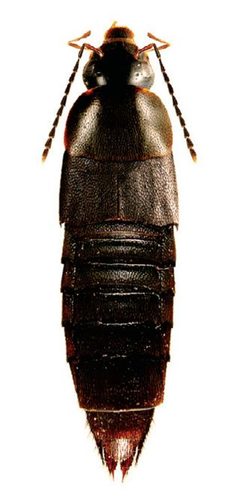
2Gymnusa is a of small rove beetles in the tribe Gymnusini, characterized by uniformly dark coloration and semi-aquatic to aquatic habits. range from 4.2 to 6.5 mm in length and inhabit detritus-rich wetlands across the Nearctic and Palearctic regions.
Pronunciation
How to pronounce Gymnusa: //ˈɡɪmnʊsə//
These audio files are automatically generated. While they are not always 100% accurate, they are a good starting point.
Identification
Distinguished from other aleocharine by the combination of small size (under 7 mm), uniformly dark (black or dark brown) coloration without pattern, and association with aquatic or semi-aquatic . The tribe Gymnusini is characterized by specific mouthpart adaptations and body form associated with their wetland .
Images
Appearance
Small rove beetles, 4.2–6.5 mm in length. Body coloration highly consistent within the : most entirely black, with a few species dark brown. Typical aleocharine body form with short exposing most of the .
Habitat
Semi-aquatic and aquatic environments, specifically: detritus in swamps, bogs, streams, and slow-moving rivers. Exclusively freshwater; never marine.
Distribution
Nearctic and Palearctic regions: Europe and North America. Specific country records include Denmark, Norway, and Sweden.
Similar Taxa
- Other Aleocharinae generaGymnusa can be distinguished by its consistent dark coloration, small size, and obligate association with freshwater wetland —traits not commonly combined in other aleocharine .
More Details
Taxonomic stability
The has remained stable since its description by Gravenhorst in 1806, with clear tribal placement in Gymnusini.