
Geostibini
Seevers, 1978
Genus Guides
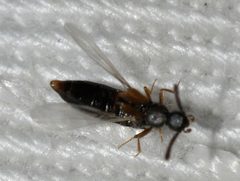
5Geostibini is a tribe of rove beetles (Staphylinidae) within the Aleocharinae, established by Seevers in 1978. The tribe contains multiple of small to minute beetles that are primarily associated with soil and litter . Members of this tribe are part of the diverse aleocharine radiation, one of the largest lineages within Staphylinidae. Geostibini is distinguished by particular arrangements of tarsal segments and other subtle morphological characters that separate it from related tribes such as Falagriini and Myrmecophilous groups within Aleocharinae.


Pronunciation
How to pronounce Geostibini: /dʒiˈɒstɪˌbaɪni/
These audio files are automatically generated. While they are not always 100% accurate, they are a good starting point.
Identification
Geostibini can be distinguished from other Aleocharinae tribes by the 4-4-4 tarsal formula (four tarsal segments on each leg pair), though this character requires careful examination. The tribe lacks the pronounced myrmecophilous adaptations seen in some related aleocharine tribes. Identification to tribe level requires dissection and microscopic examination of genitalic structures and detailed tarsal segmentation. Geostibini are generally small (2-4 mm), with compact bodies and relatively short typical of the . Separation from Falagriini and other superficially similar tribes depends on subtle differences in mouthpart structure and male genitalia configuration.
Images
Habitat
Geostibini are primarily soil-dwelling and occur in leaf litter, humus, and decaying organic matter. They have been collected from forest floor microhabitats, including moss, rotten wood, and compost. Some species show association with colonies, though the degree of myrmecophily varies among . The tribe appears to favor mesic to moist environments with abundant decomposing plant material.
Distribution
Geostibini has a primarily Holarctic distribution, with records from North America and Eurasia. The tribe is represented across temperate regions of the Northern Hemisphere, with particular diversity in North America. Some extend into more southern latitudes, though the tribe is generally absent from tropical regions. Distribution data is incomplete due to the cryptic habits and small size of members, which likely leads to undercollection.
Similar Taxa
- FalagriiniShares similar body form and preferences within Aleocharinae; distinguished by tarsal formula and genitalic structure
- Myrmecophilous AleochariniSome Geostibini associate with ants, leading to potential confusion; true myrmecophilous tribes typically show more extreme morphological modifications for colony life
More Details
Taxonomic History
Geostibini was established by Seevers in 1978 based on his revision of North American aleocharine . The tribal concept has been modified in subsequent treatments, with some genera transferred to or from the tribe based on phylogenetic analyses. The current circumscription remains somewhat unstable, reflecting ongoing work in aleocharine .
Research Status
Geostibini is relatively poorly studied compared to more conspicuous groups. Most descriptions date to the early-to-mid 20th century, and modern revisionary work is limited. The tribe's placement within Aleocharinae remains tentative, with molecular data lacking for most .