
Psammodiini
Mulsant, 1842
Genus Guides
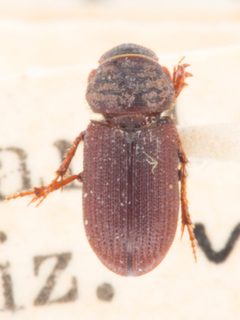
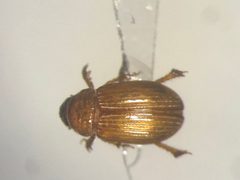
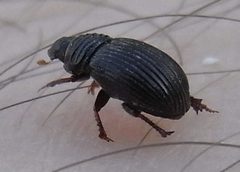
11Psammodiini is a tribe of aphodiine dung beetles within the Scarabaeidae, containing more than 37 and approximately 470 described . Members are primarily associated with sandy , with many species exhibiting psammophilic (sand-loving) adaptations. The tribe was established by Mulsant in 1842 and represents a diverse lineage within the Aphodiinae.
Pronunciation
How to pronounce Psammodiini: /sam.moˈdiː.iː.naɪ/
These audio files are automatically generated. While they are not always 100% accurate, they are a good starting point.
Identification
Psammodiini can be distinguished from other aphodiine tribes by a combination of morphological features associated with sandy , including often reduced or modified tarsal structures and body forms adapted for burrowing in loose substrates. Definitive tribal-level characters require examination of genitalia and detailed skeletal structures; identification to or level is challenging without specialized taxonomic expertise.
Images
Habitat
Primarily psammophilic, inhabiting sandy environments including coastal dunes, riverine sandbanks, and inland sandy soils. Many are specialized for life in loose, dry substrates where they burrow and feed.
Distribution
Widespread across multiple continents with highest diversity in arid and semi-arid regions; present in the Palearctic, Afrotropical, Nearctic, and Australian regions. Specific distribution patterns vary considerably among constituent .
Ecological Role
As members of the dung beetle , in this tribe contribute to nutrient cycling and soil aeration through their burrowing activities in sandy substrates. Their specific ecological functions likely vary by and local environmental conditions.
Human Relevance
Limited direct economic importance; some may occur in sandy agricultural soils or coastal areas where human activity intersects with their . Not known to be significant pests or beneficial organisms in managed systems.
Similar Taxa
- Other Aphodiinae tribes (e.g., Aphodiini, Eupariini)Share the general body plan of small to medium scarab beetles and association with decomposing organic matter; distinguished by preference (Psammodiini primarily sandy), tarsal structure, and genitalic .
More Details
Taxonomic history
The tribal classification of Aphodiinae has undergone substantial revision; Psammodiini has been variously circumscribed in historical literature. Current generic composition reflects modern phylogenetic and morphological studies, though relationships among remain partially unresolved.
Species diversity
With approximately 470 described across 37+ , Psammodiini represents one of the more species-rich tribes within Aphodiinae. Many species remain poorly known biologically, with descriptions based primarily on morphological characters.