
Ataenius
Harold, 1867
Species Guides
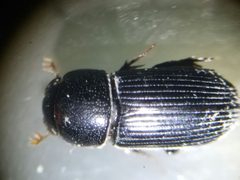
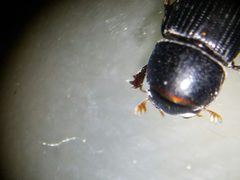
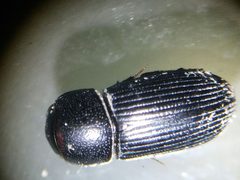
31Ataenius is a large of aphodiine dung beetles comprising at least 290 described . These small scarab beetles are primarily associated with and decaying organic matter, with some species occurring in turfgrass environments. The genus has subcosmopolitan distribution and includes species of economic significance in managed grass systems.
Pronunciation
How to pronounce Ataenius: //əˈtiːniəs//
These audio files are automatically generated. While they are not always 100% accurate, they are a good starting point.
Identification
Ataenius are small aphodiine scarab beetles, typically distinguished from other scarab by their compact body form and reduced or modified tibial spurs. Species-level identification requires examination of genitalia and detailed morphological characters; the genus as a whole is recognizable by its placement in the tribe Eupariini within Aphodiinae.
Images
Habitat
include , decaying organic matter, compost, and soil environments. Some are associated with turfgrass systems, where larvae develop in root zones and thatch layers.
Distribution
Subcosmopolitan distribution, with records from North America including the United States (Vermont), and other regions globally.
Diet
Larvae of some feed on decaying organic matter and grass roots; are associated with and decomposing plant material.
Behavior
Larvae of turfgrass-associated such as Ataenius spretulus live in soil and feed on grass roots. are active on or near the soil surface.
Ecological Role
Contributes to nutrient cycling through and organic matter decomposition. In turfgrass systems, some serve as prey for predatory arthropods including rove beetles and spiders, with rates influenced by mowing height and vegetation structure.
Human Relevance
Some are turfgrass pests, with larvae damaging grass roots. Ataenius spretulus has been studied in golf course management contexts, where higher mowing heights in roughs have been associated with increased on , suggesting potential for biological pest control strategies.
Similar Taxa
- Other Aphodiinae generaAtaenius can be distinguished by tribal placement in Eupariini and characteristic genitalia , though superficial resemblance to other small aphodiines is common.
More Details
Turfgrass Ecology
Research on Ataenius spretulus in bermudagrass systems has demonstrated that on is more abundant in grass maintained at 5 cm height compared to 1.5 cm, indicating that management practices affect natural enemy effectiveness against this .