
Brachylampis
Van Dyke, 1939
Species Guides
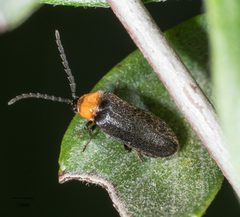
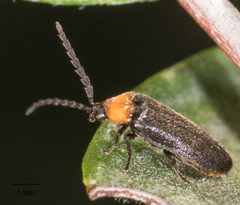
1- Brachylampis blaisdelli(Blaisdell's firefly)
Brachylampis is a of fireflies ( Lampyridae) described by Van Dyke in 1939. The genus contains at least two : B. blaisdelli and B. sanguinicollis, both described in the same year. It belongs to the Ototretinae, a group of fireflies characterized by reduced or absent light-producing organs in . Information on and remains sparse due to limited study and few observations.
Pronunciation
How to pronounce Brachylampis: //ˌbrækɪˈlæmpɪs//
These audio files are automatically generated. While they are not always 100% accurate, they are a good starting point.
Identification
Members of Brachylampis can be distinguished from other Ototretinae by the combination of characters described by Van Dyke (1939), including the reddish coloration of the pronotum in B. sanguinicollis (evident in the epithet). The is placed in Ototretinae based on morphological features associated with the loss of . Specific diagnostic traits require examination of and original descriptions.
Images
Distribution
Western North America. The two described were originally described from California, with B. blaisdelli and B. sanguinicollis both described by Van Dyke based on material from this region. iNaturalist observations suggest occurrence in California, though the full range remains poorly documented.
Behavior
As members of Ototretinae, likely lack functional light organs and do not produce bioluminescent signals. This distinguishes them from the flashing fireflies of Lampyrinae. Mating communication presumably relies on or other non- cues, though this has not been directly observed in Brachylampis.
Similar Taxa
- Other Ototretinae generaShare the characteristic reduction or absence of . Brachylampis is distinguished by specific morphological details in the original description, including body form and coloration patterns.
- Lampyrinae fireflies Lampyrinae typically possess functional light organs and produce visible , which Brachylampis lacks. This difference in signaling strategy reflects different mating systems.
More Details
Taxonomic history
Both were described simultaneously by Van Dyke in 1939, suggesting they were recognized as distinct based on material collected in close geographic proximity. The has received limited taxonomic attention since its original description.
Research needs
Basic including larval form, feeding habits, complete distribution, and conservation status remain unknown. The low number of iNaturalist observations (3) indicates either genuine rarity or underreporting due to nondescript appearance and lack of .