
Stethon
LeConte, 1866
Species Guides
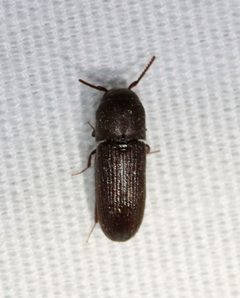
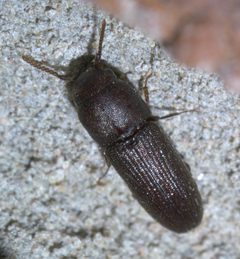
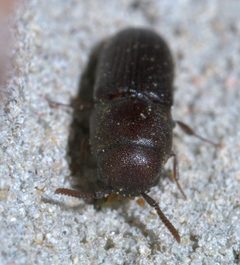
1Stethon is a of beetles in the Eucnemidae, first described by LeConte in 1866. Members of this genus are classified within the false click beetles, a group characterized by their inability to produce the clicking sound typical of true click beetles (Elateridae). The genus is part of the diverse fauna of North America.
Pronunciation
How to pronounce Stethon: //ˈstɛθɒn//
These audio files are automatically generated. While they are not always 100% accurate, they are a good starting point.
Identification
Stethon can be distinguished from true click beetles (Elateridae) by the structure of the prosternal process, which does not articulate with a corresponding mesosternal cavity to enable the clicking mechanism. They lack the spring-loaded thoracic hinge that characterizes Elateridae. Within Eucnemidae, specific identification requires examination of antennal structure, body proportions, and elytral sculpturing; species-level determination generally necessitates detailed morphological study.
Images
Habitat
in this are associated with forested environments, particularly where decaying wood and fungal substrates are present. Larval development occurs in dead or dying wood.
Distribution
North America, with records from the United States and Canada.
Seasonality
activity has been documented primarily during spring and summer months, though specific timing varies by and region.
Ecological Role
Larvae function as decomposers in forest , contributing to wood decay and nutrient cycling through their feeding activity in dead wood.
Similar Taxa
- ElateridaeTrue click beetles possess a functional prosternal-mesosternal enabling their characteristic clicking/jumping defense mechanism, which Stethon lacks.
- MelasisAnother eucnemid with similar overall body form; distinguished by antennal structure and details of the pronotal and prosternal .