
Deltometopus
Bonvouloir, 1871
Species Guides
3- Deltometopus amoenicornis(Lovely-horned False Click Beetle)
- Deltometopus baranowskii
- Deltometopus ereptus
Deltometopus is a of false click beetles (Coleoptera: Eucnemidae) in the Macraulacinae and tribe Macraulacini. The genus is distinguished by its Nearctic distribution and includes such as Deltometopus amoenicornis. Larval has been described for at least one species, indicating development in decaying wood. The genus is accepted in coleopteran with authorship attributed to Bonvouloir (1871), though a later homonym was proposed by Williams (1977) in Hemiptera.
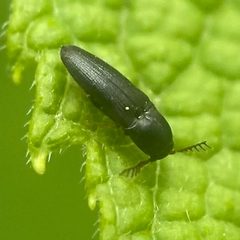
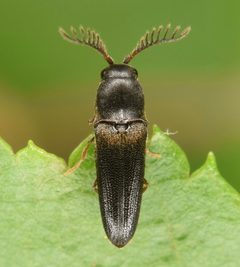
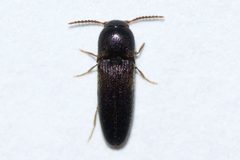
Pronunciation
How to pronounce Deltometopus: //ˌdɛltoʊˈmɛtoʊpəs//
These audio files are automatically generated. While they are not always 100% accurate, they are a good starting point.
Identification
Members of Deltometopus can be distinguished from other Eucnemidae by characters of the mature larva, including specific morphological features of the capsule and mouthparts. likely exhibit the elongate body form and reduced prosternal process typical of Macraulacinae. Separation from related such as Macraulacis requires examination of antennal structure and elytral .
Images
Habitat
Based on larval of Deltometopus amoenicornis, the is associated with decaying wood in forested environments. Larvae develop within decomposing woody substrates.
Distribution
Nearctic Region. Records include North American localities where D. amoenicornis and occur.
Life Cycle
The mature larva of Deltometopus amoenicornis has been described, indicating a complete with wood-boring larval stages. Specific details on , pupal, and longevity are not documented.
Behavior
Larvae are wood-borers, developing within decaying wood. are likely and attracted to light, consistent with Eucnemidae.
Ecological Role
Larvae contribute to wood decomposition and nutrient cycling in forest through their activity in decaying wood.
Similar Taxa
- MacraulacisBoth belong to Macraulacini and share elongate body form; distinguished by antennal structure and elytral features
- EucnemisRelated in Eucnemidae with different prosternal and larval preferences
More Details
Taxonomic Note
The name Deltometopus Williams, 1977 was proposed for a hemipteran but is a junior homonym; the valid coleopteran genus Deltometopus Bonvouloir, 1871 has priority
Larval Description
The mature larva of D. amoenicornis was formally described, representing one of the few detailed larval accounts for Nearctic Macraulacini