
Neohypdonus tumescens
(LeConte, 1853)
Swelling Click Beetle
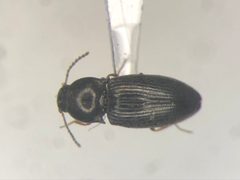
Neohypdonus tumescens, commonly known as the Swelling Click Beetle, is a of click beetle in the Elateridae. The species was described by LeConte in 1853. It is known from multiple provinces across Canada. The likely refers to a swollen or enlarged body feature, possibly the pronotum or overall body shape. As a member of Elateridae, it possesses the family-characteristic prosternal process that enables the clicking mechanism used for righting itself when overturned.
Pronunciation
How to pronounce Neohypdonus tumescens: //niː.oʊˈhɪp.də.nəs tuːˈmɛs.sɛnz//
These audio files are automatically generated. While they are not always 100% accurate, they are a good starting point.
Identification
The specific epithet "tumescens" (meaning swollen or enlarged) suggests a diagnostic swollen or tumid feature, most likely involving the pronotum or elytral bases. Within the Neohypdonus, this may be distinguished by this swollen compared to . Detailed morphological distinctions from related species require examination of specific structural characters.
Images
Distribution
Recorded from six Canadian provinces: Alberta, British Columbia, Manitoba, New Brunswick, and Nova Scotia. The distribution pattern suggests a transcontinental range across southern Canada, with records spanning from the Atlantic to the Pacific.
Similar Taxa
- Neohypdonus spp.Congeneric within Neohypdonus share general body plan and click beetle ; N. tumescens distinguished by swollen features implied by species name
- Other ElateridaeMany click beetles share similar overall form; precise identification requires examination of prosternal process structure, , and specific body proportions
More Details
Taxonomic note
The Neohypdonus was established relatively recently in click beetle , with previously placed in related genera. The "tumescens" is a present participle of Latin "tumescere" (to swell), directly descriptive of a morphological feature.