
Ampedus areolatus
(Say, 1823)
Areolate Click Beetle
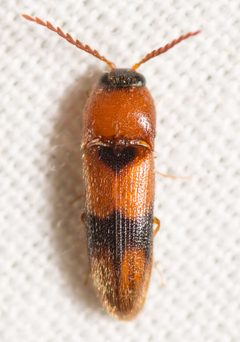
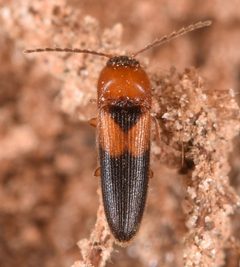
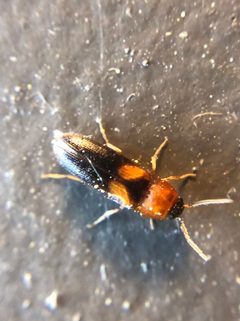
Ampedus areolatus, commonly known as the Areolate Click Beetle, is a of click beetle in the Elateridae. The species was described by Thomas Say in 1823. It is native to eastern Canada, where it has been documented in multiple provinces. Like other members of the Ampedus, it possesses the characteristic clicking mechanism used for righting itself when overturned.
Pronunciation
How to pronounce Ampedus areolatus: /æmˈpiːdəs ˌæriːəˈleɪtəs/
These audio files are automatically generated. While they are not always 100% accurate, they are a good starting point.
Identification
The specific epithet "areolatus" refers to a net-like or areolate surface texture, which may aid in distinguishing this from . Identification to species level within Ampedus generally requires examination of antennal structure, pronotal shape, and elytral . Detailed diagnostic features for A. areolatus specifically have not been compiled in readily accessible sources.
Images
Distribution
Eastern Canada: recorded from New Brunswick, Nova Scotia, Ontario, and Quebec.
More Details
Taxonomic note
The was originally described by Thomas Say in 1823, a foundational figure in North American entomology. The Ampedus is part of the diverse click beetle Elateridae, which contains approximately 10,000 species worldwide.