
Eanus
LeConte, 1861
Species Guides
8- Eanus albertanus
- Eanus costalis
- Eanus decoratus(Decorated Click Beetle)
- Eanus estriatus(Estriate Click Beetle)
- Eanus granicollis
- Eanus hatchi(Hatch's click beetle)
- Eanus maculipennis(spotted-wing click beetle)
- Eanus striatipennis
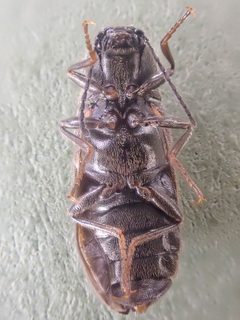
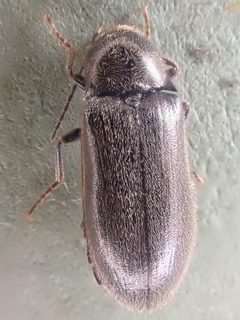
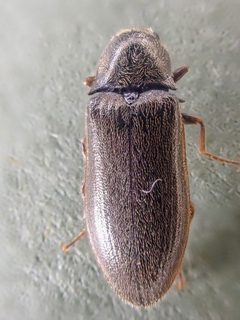
Eanus is a of click beetles (Elateridae) established by John Lawrence LeConte in 1861. Members of this genus are small to medium-sized beetles within the diverse Elateriformia infraorder. The genus has been documented from multiple regions including Scandinavia (Norway, Sweden) and parts of North America (Vermont, United States). Records from iNaturalist indicate regular observation activity with over 200 documented sightings, suggesting the genus is not exceptionally rare where it occurs.
Pronunciation
How to pronounce Eanus: //ˈiː.nəs//
These audio files are automatically generated. While they are not always 100% accurate, they are a good starting point.
Images
Distribution
Recorded from Scandinavia (Norway, Sweden) and the northeastern United States (Vermont). The iNaturalist observation count of 201 indicates documented presence across multiple localities, though specific range boundaries remain undefined.
More Details
Taxonomic history
The was established by LeConte in 1861, a prolific 19th-century American entomologist who described numerous North American . The disjunct distribution pattern (Scandinavia and eastern North America) suggests possible historical biogeographic connections or may reflect incomplete sampling in intervening regions.
Data availability
-level information within Eanus appears limited in public databases. GBIF records indicate higher-rank matching only, suggesting that species identifications may be problematic or that the requires taxonomic revision. The substantial iNaturalist observation count (201) indicates potential for citizen science contributions to understanding this genus.