
Esthesopus atripennis
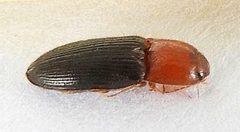
Esthesopus atripennis is a click beetle in the Elateridae. The Esthesopus is a small group within the click beetles, characterized by particular morphological features of the and pronotum. This species is known from a limited number of observations and museum specimens.
Pronunciation
How to pronounce Esthesopus atripennis: //ɛsˈðɛsoʊpəs ˌeɪtraɪˈpɛnɪs//
These audio files are automatically generated. While they are not always 100% accurate, they are a good starting point.
Identification
Members of the Esthesopus can be distinguished from related elaterid genera by their elongate body form and the structure of the , which are serrate or pectinate in males. Specific identification of E. atripennis requires examination of the dark (atripes = black wing) coloration of the and detailed genitalic characters.
Images
Distribution
Records indicate presence in North America. The iNaturalist platform documents 5 observations of this , though specific locality data for these records is not detailed in available sources.
Behavior
As with other Elateridae, possess the characteristic clicking mechanism formed by the prosternal process and mesosternal cavity, enabling them to right themselves when overturned and potentially to escape .
Similar Taxa
- Other Esthesopus speciesCongeneric share the general body plan and antennal structure; precise identification requires examination of coloration patterns and male genitalia.
- Elateridae: Ampedini and related tribesMany click beetles share the general elongate form and serrate ; Esthesopus is distinguished by particular details of pronotal shape and antennal insertion.
More Details
Taxonomic placement
The Esthesopus is classified within the Elateridae, though its precise tribal placement may require further phylogenetic study. The specific epithet 'atripennis' refers to the dark or black wing covers ().
Data scarcity
This is documented by very few observations (5 records on iNaturalist) and limited museum holdings, indicating it is either genuinely rare, cryptic, or under-collected.