
Ignelater
Costa, 1975
Species Guides
1Ignelater is a of click beetles ( Elateridae) established by Cleide in 1975. in this genus were formerly classified under Pyrophorus. As members of the tribe Pyrophorini, all Ignelater species are bioluminescent. The genus occurs in the Caribbean region and parts of Central and South America.
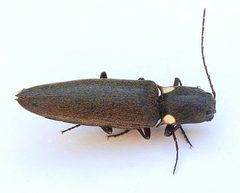
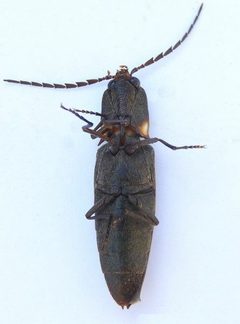
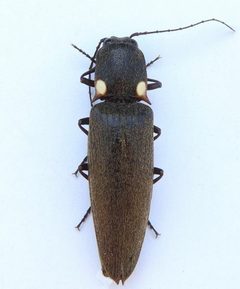
Pronunciation
How to pronounce Ignelater: //ɪɡˈneɪlæˌtɛr//
These audio files are automatically generated. While they are not always 100% accurate, they are a good starting point.
Identification
Distinguished from other click beetles by combination of (shared with other Pyrophorini), slender reddish-brown body, elongate surpassing prothoracic hind angles, and specific antennal segment proportions (third segment slightly longer than second, triangular, with segments 2+3 smaller than segment 4). Lateral luminous spots on proepisternum and small abdominal luminous organ are key features. Male genitalia with lobe and cuticular ; female with well-spiraled bursa copulatrix and sclerotized plates on median . Formerly included in Pyrophorus, from which it was separated based on genitalic and other morphological characters.
Images
Appearance
Slender reddish-brown beetles with short, fine, yellowish or grey of variable . slightly prominent in males. Front of not prominent, more or less concave centrally. elongate, extending beyond hind angles of prothorax; third segment slightly longer than second and more or less triangular, with these two segments together smaller than fourth. Prothorax slightly convex. Luminous spots lateral, rounded, slightly convex, visible ventrally on proepisternum. Abdominal luminous organ small and . Male genitalia: lobe with or without median , bearing minute cuticular and long spines. Female genitalia: bursa copulatrix well spiraled, median with pair of sclerotized plates.
Distribution
Caribbean region (Cuba, Cayman Islands, Bahamas, Dominican Republic, Jamaica) and parts of Central and South America ( Rica, French Guiana). Specific localities include Havana and other Cuban localities, Inagua (Bahamas), and "America" (lectotype of I. phosphoreus from Cayenne, French Guiana).
Behavior
Bioluminescent, producing light from lateral thoracic spots and abdominal organ. The click mechanism characteristic of Elateridae is present but specific behavioral details for this are not documented.
Similar Taxa
- PyrophorusFormerly included most Ignelater ; distinguished by genitalic , antennal proportions, and details of luminous organ structure.
More Details
Taxonomic history
established by Cleide in 1975 as part of a systematic revision of tribes Pyrophorini and Heligmini. Most transferred from Pyrophorus based on morphological differences, particularly in genitalic structures.