Deilelater
Costa, 1975
Glowing Click Beetles
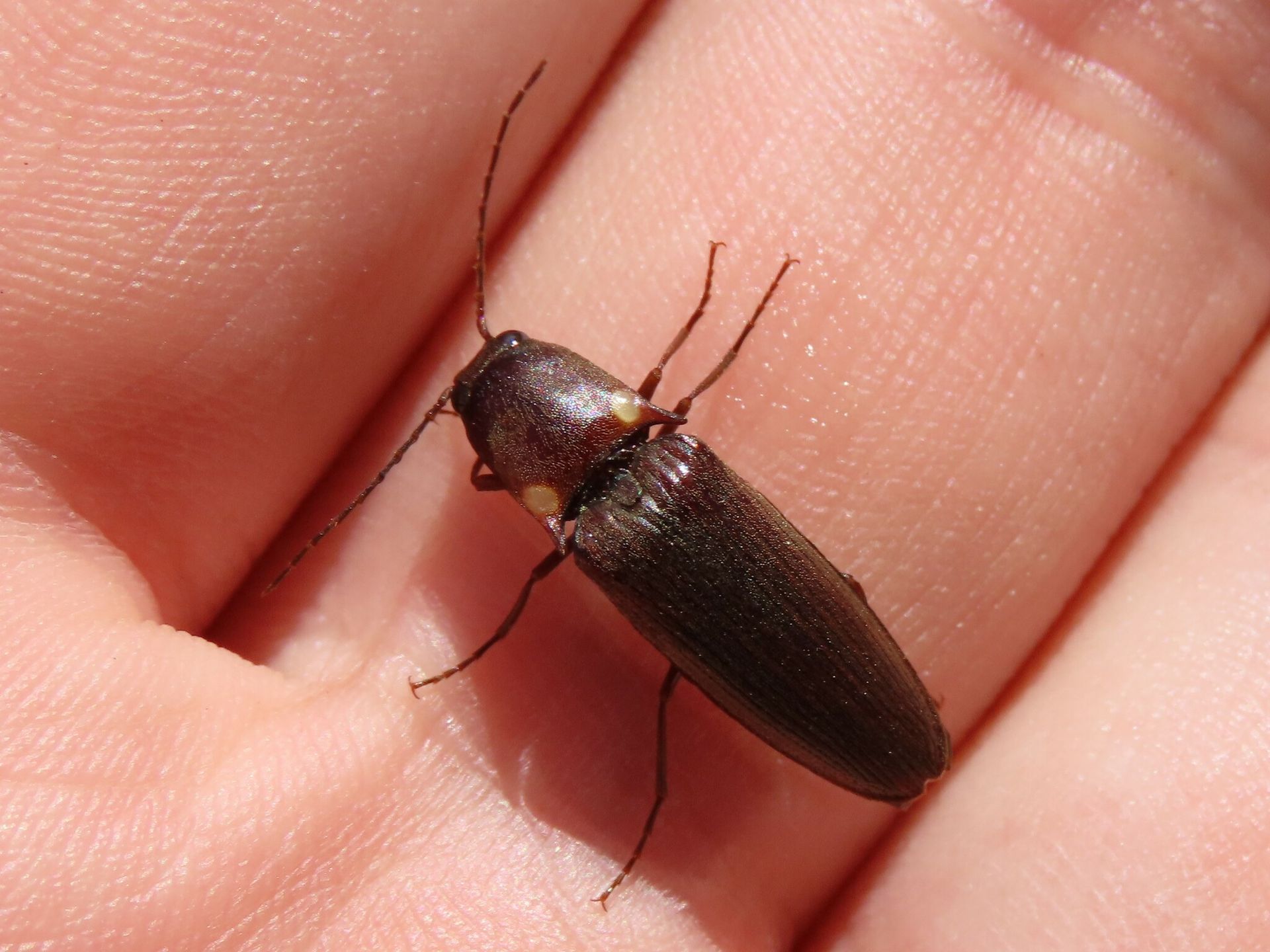
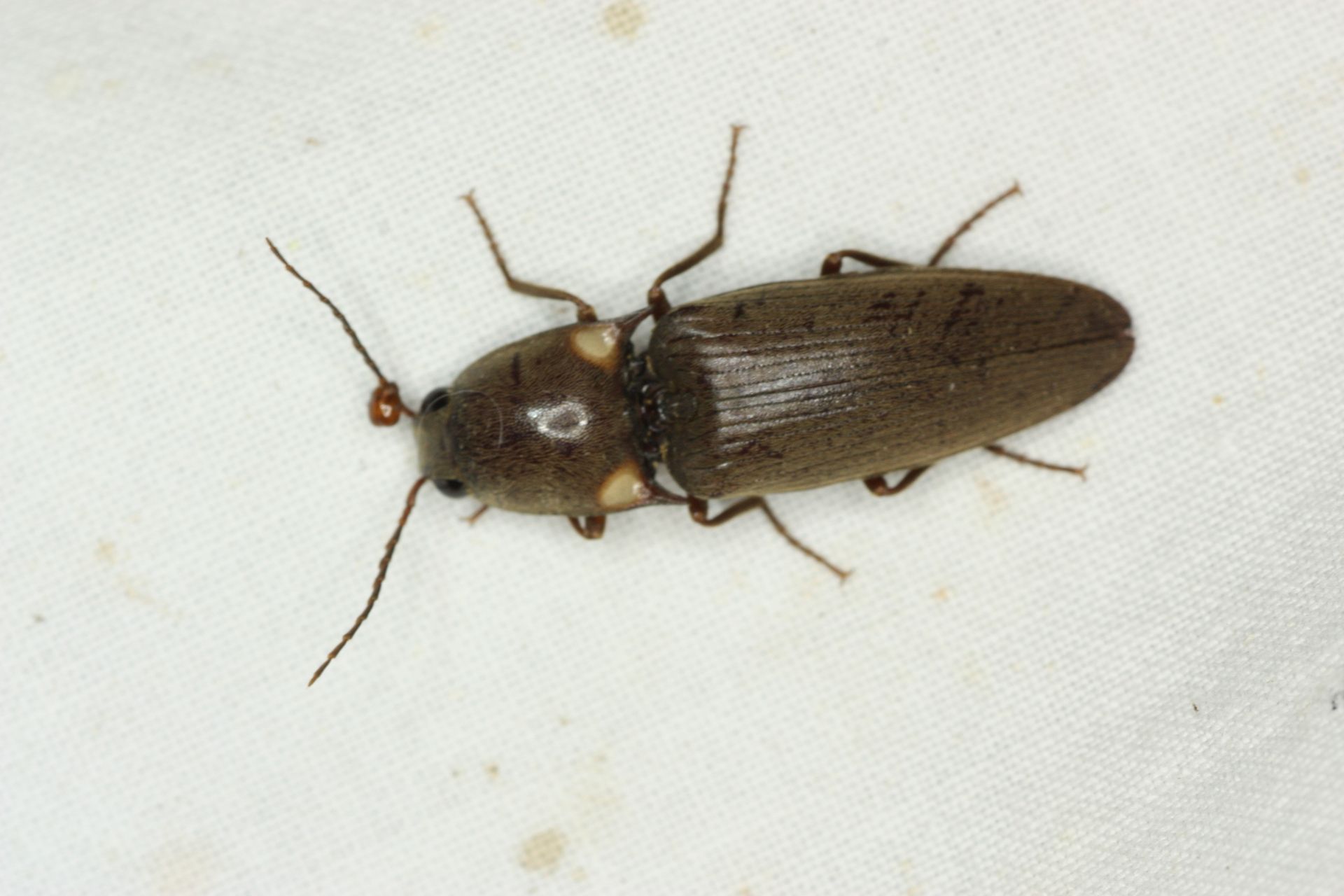
Deilelater is a of bioluminescent established in 1975 by Cleide . Most of its seven were transferred from the genus Pyrophorus. possess luminous spots on the and a small abdominal luminous organ. The genus occurs from the southeastern United States through Mexico, Central America, and western South America.
Pronunciation
How to pronounce Deilelater: /ˌdaɪliəˈleɪtər/
These audio files are automatically generated. While they are not always 100% accurate, they are a good starting point.
Identification
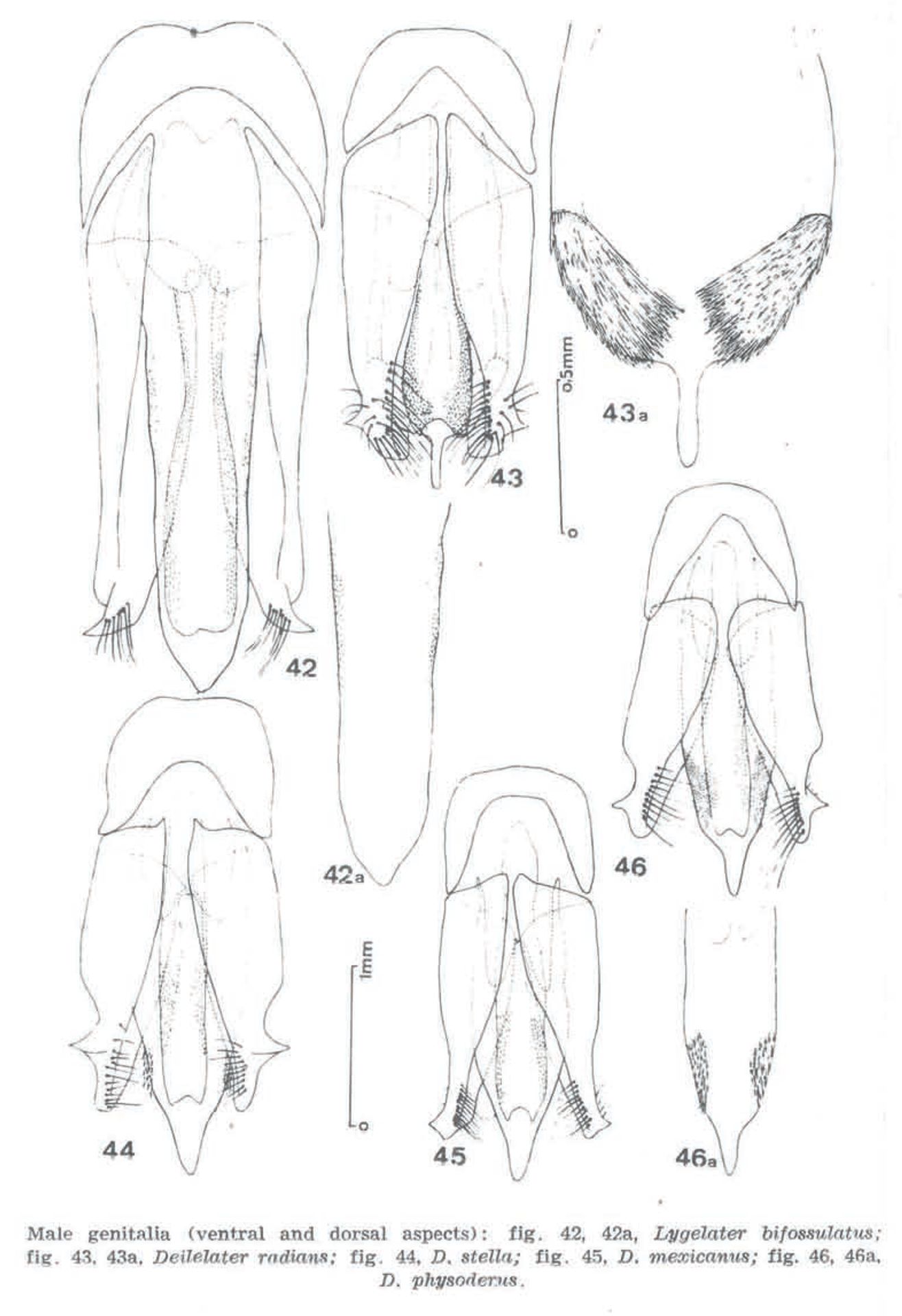
Distinguished from the related Vesperelater by male structure: Deilelater lacks the well-developed subapical on lobes present in Vesperelater. The combination of very small size, lateral prothoracic luminous spots, and abdominal luminous organ separates it from non-bioluminescent .
Images
Distribution
Southeastern United States (Florida, Alabama), Mexico, Central America, and western South America.
Behavior
Bioluminescent, with light production from prothoracic and abdominal organs. The mechanism characteristic of the is present, used for righting when overturned.
Similar Taxa
- VesperelaterBoth are bioluminescent Pyrophorini with overlapping geographic ranges in western Mexico and the southwestern United States. Vesperelater males possess well-developed subapical on lobes of , absent in Deilelater.
- PyrophorusHistorical confusion: six of seven Deilelater were originally described in Pyrophorus before 's 1975 revision separated them based on morphological differences including structure and body size.
More Details
Taxonomic history
Deilelater was established by Cleide in 1975 as part of a systematic revision of the tribes Pyrophorini and Heligmini. Six were transferred from Pyrophorus; only D. ustulatus was described as new. Deilelater sirius was subsequently transferred to Vesperelater by Rosa in 2007.
Bioluminescence
As members of tribe Pyrophorini, all in this are bioluminescent. The light organs are located laterally on the and on the .