Omphalapion
Schilsky, 1901
Species Guides
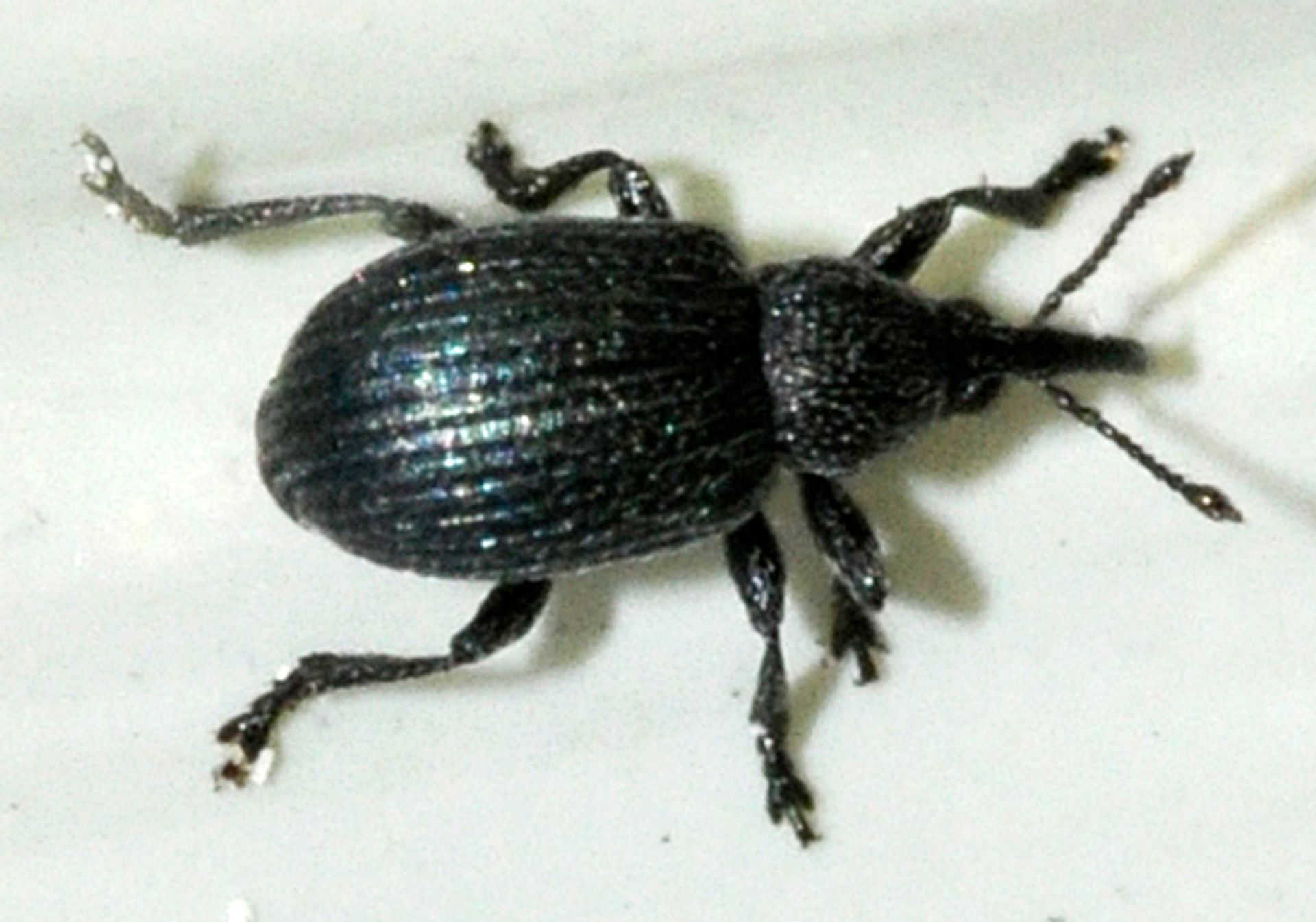
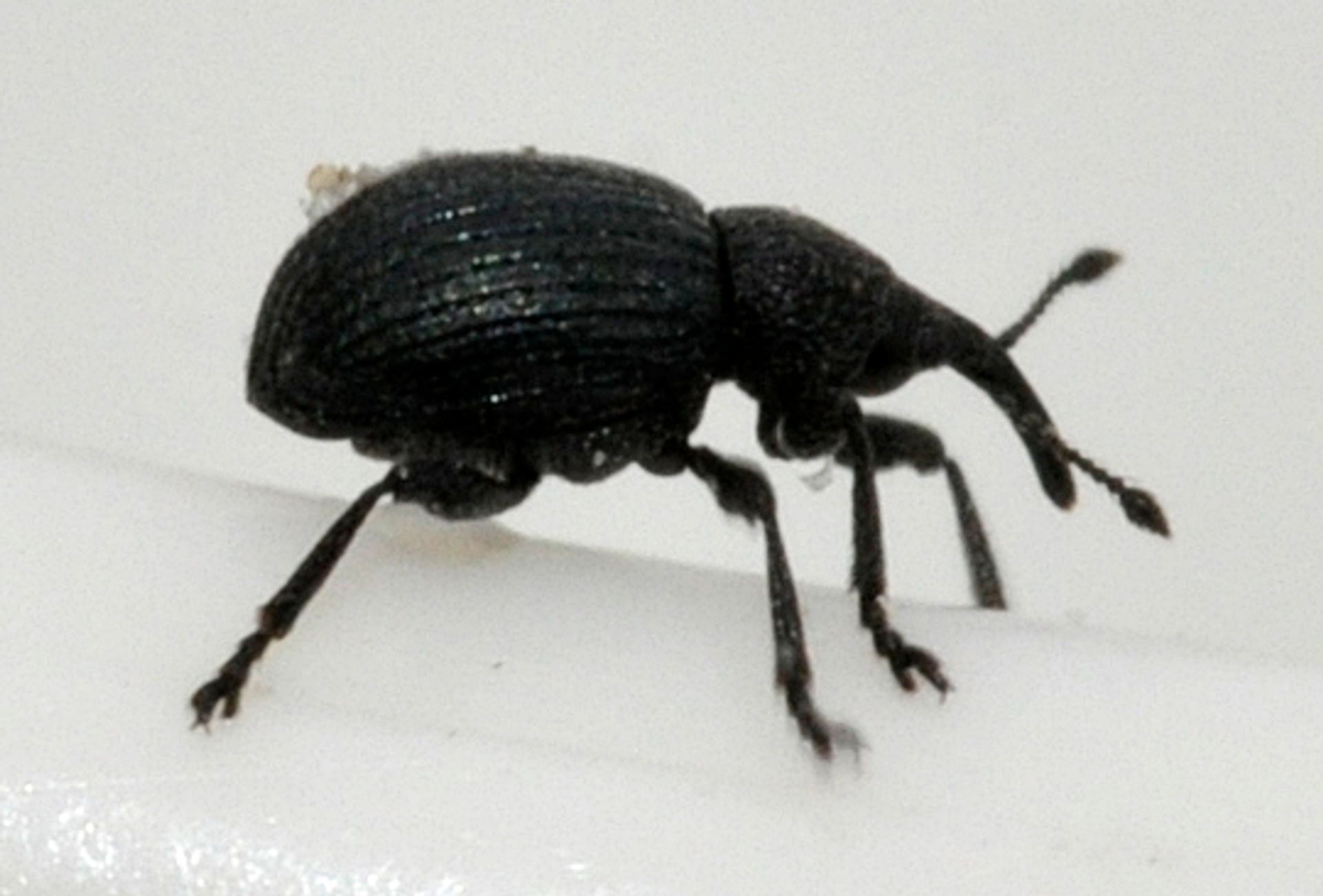
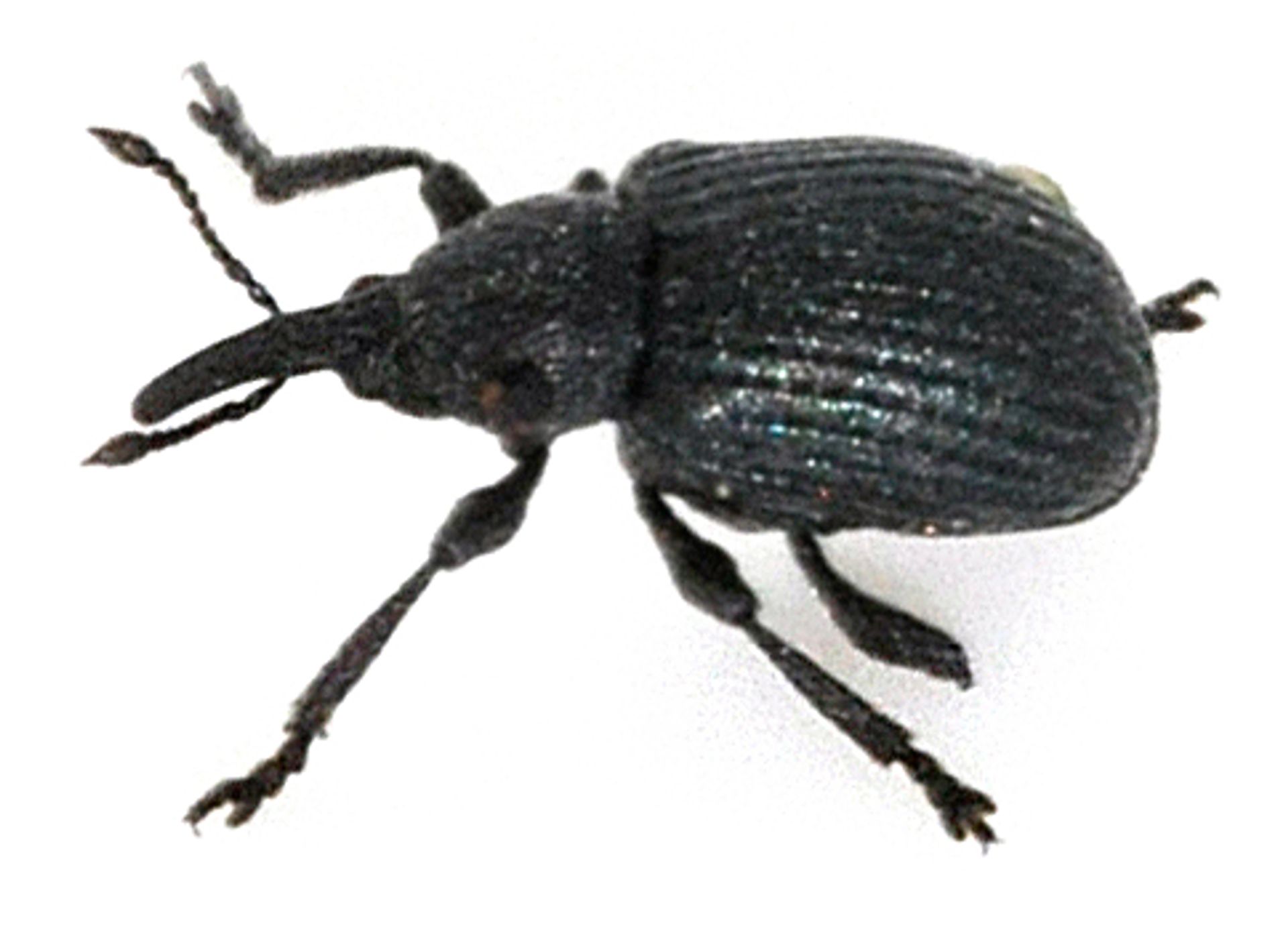
1- Omphalapion hookerorum(pear-shaped weevil)
Omphalapion is a of small weevils in the Brentidae, containing approximately five described . These beetles are characterized by their pear-shaped body form, a trait referenced in their . The genus was established by Schilsky in 1901. Species occur primarily in Europe, with records from Norway and Sweden documented.
Pronunciation
How to pronounce Omphalapion: /ˌɒmfəˈlæpi.ən/
These audio files are automatically generated. While they are not always 100% accurate, they are a good starting point.
Identification
Members of Omphalapion can be recognized by their distinctly pear-shaped body profile, distinguishing them from more cylindrical or elongate brentid . The genus contains five described , requiring examination of specific morphological characters for species-level identification. Detailed diagnostic features for distinguishing Omphalapion from related genera are not documented in available sources.
Images
Distribution
Documented distribution records indicate presence in Norway and Sweden. The appears to be European in range, though comprehensive distribution data is limited.
Misconceptions
Some sources historically placed this in Apionidae rather than Brentidae, reflecting taxonomic revisions in weevil classification. Current consensus places Omphalapion in Brentidae.
More Details
Taxonomic note
NCBI lists as Apionidae, while GBIF and other contemporary sources place the in Brentidae. This discrepancy likely reflects ongoing taxonomic reclassification of brentid weevils, with Brentidae now widely accepted.
Species inventory
Five described : Omphalapion beuthini (An.Hoffmann, 1874), Omphalapion buddebergi (Bedel, 1887), Omphalapion hookerorum (W. Kirby, 1808), Omphalapion pseudodispar Wanat, 1995, and Omphalapion rhodopense (Angelov, 1962).