
Rhizophagus sayi
Schaeffer, 1913
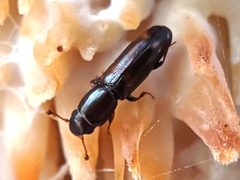
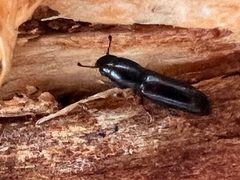
Rhizophagus sayi is a of root-eating beetle in the Monotomidae, described by C. Schaeffer in 1913. It is distributed in North America, with records from Ontario, Canada. The species is one of approximately 19 observations documented on iNaturalist, indicating it is not frequently encountered or reported. Like other members of Monotomidae, it is associated with root-feeding habits, though specific ecological details remain poorly documented.
Pronunciation
How to pronounce Rhizophagus sayi: /raɪˈzɒfəɡəs ˈseɪaɪ/
These audio files are automatically generated. While they are not always 100% accurate, they are a good starting point.
Identification
Members of the Rhizophagus can be distinguished from other Monotomidae by their association with root and corresponding morphological adaptations. Specific diagnostic features for R. sayi are not well documented in available sources. The Monotomidae is characterized by elongate bodies, , and with five segments on all legs.
Images
Distribution
North America. Documented records include Ontario, Canada.
Diet
Root-feeding habits have been indicated for this , consistent with the name Rhizophagus (root-eater) and characterization.
More Details
Taxonomic note
The specific epithet 'sayi' likely honors Thomas Say, a foundational American entomologist known for his work on North American insects in the early 19th century.
Sources and further reading
- BugGuide
- Wikipedia
- GBIF taxonomy match
- iNaturalist taxon
- NCBI Taxonomy
- From Caterpillars to Butterflies to Chronic Pain Research | Bug Squad
- Bruce Hammock: From ResearchIng Insect Science to Researching Autism and Schizophrenia | Bug Squad
- Bug Eric: Stop Saying the Monarch is a "Gateway Species" for an Appreciation of Other Insects
- Bug Eric: Spider Sunday: Funnel-web Wolf Spiders
- Termite Experts Attempt to Solve Taxonomic Cold Cases
- New comment policy | Beetles In The Bush