
Macreurops
Casey, 1916
Species Guides
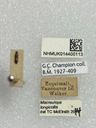
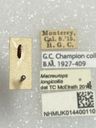
1Macreurops is a of beetles in the Monotomidae, established by Casey in 1916. The genus is , containing only the single Macreurops longicollis. Monotomidae, commonly known as root-eating beetles, are a small family of polyphagan beetles. Information on Macreurops beyond its taxonomic status is extremely limited.

Pronunciation
How to pronounce Macreurops: /mæˈkrʊərɒps/
These audio files are automatically generated. While they are not always 100% accurate, they are a good starting point.
Identification
The is distinguished from other monotomid genera by features of its single M. longicollis, including an elongated pronotum suggested by the species epithet. Definitive identification requires examination of male genitalia and other microscopic characters standard for the . No published diagnostic keys specifically address this genus due to its rarity.
Images
Distribution
The distribution of Macreurops is poorly documented. The and limited records suggest occurrence in North America, though precise locality data are not well established in accessible literature.
Similar Taxa
- MonotomaThe most -rich in Monotomidae; Macreurops differs in body proportions and antennal structure, though specific distinguishing characters require knowledge of the .
- EuropsAnother monotomid with which Macreurops may be confused; separation relies on subtle differences in pronotal and elytral .
More Details
Taxonomic status
The has remained since its description over a century ago, with no additional described. This rarity in a small suggests either genuine scarcity or undercollection due to cryptic habits.
Data deficiency
With only 7 observations recorded in iNaturalist and minimal literature coverage, Macreurops represents a significant gap in coleopteran knowledge. No ecological or biological studies appear to have focused on this .