
Loberus
J.L. LeConte, 1861
pleasing fungus beetles
Species Guides
4- Loberus aeratus
- Loberus impressus(pleasing fungus beetle)
- Loberus ornatus(pleasing fungus beetle)
- Loberus subglaber
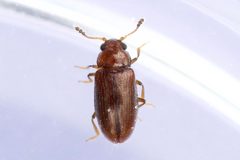
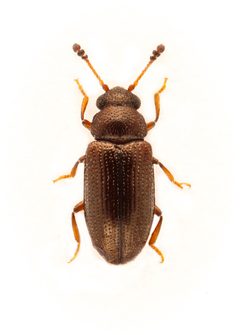
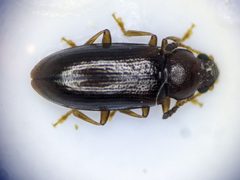
Loberus is a of pleasing fungus beetles in the Erotylidae, first described by John Lawrence LeConte in 1861. The genus comprises approximately 13-16 described and is classified within the Loberinae. These beetles are part of the diverse Erotylidae family, which is characterized by association with fungal substrates. The genus is recognized in major taxonomic databases including Catalogue of Life and GBIF.
Pronunciation
How to pronounce Loberus: //loʊˈbɛrəs//
These audio files are automatically generated. While they are not always 100% accurate, they are a good starting point.
Identification
Members of Loberus can be distinguished from other Erotylidae by their placement within the Loberinae. Generic-level identification requires examination of morphological characters specific to the subfamily, including features of the mouthparts and body form. -level identification within the genus requires detailed taxonomic expertise and reference to original species descriptions.
Images
Distribution
of Loberus have been documented across North America, with observations recorded in the United States and Canada. The appears to have a temperate distribution pattern consistent with many Erotylidae genera.
Similar Taxa
- Other Erotylidae generaLoberus is distinguished from other pleasing fungus beetle by its classification in the Loberinae, whereas many other Erotylidae genera belong to the subfamily Erotylinae. Morphological differences in body shape, antennal structure, and mouthpart configuration separate these subfamilies.
- LanguriinaeThis of Erotylidae contains lizard beetles that differ from Loberus in associations and morphological features, particularly in larval development on plants rather than fungi.
More Details
Taxonomic Authority
The was established by John Lawrence LeConte (1825-1883), a prominent American entomologist who described numerous North American . The authorship is consistently cited as LeConte, 1861 across major taxonomic databases.
Species Count Discrepancy
Sources report conflicting numbers of described : Wikipedia cites approximately 16 species, while iNaturalist reports approximately 13. This discrepancy likely reflects ongoing taxonomic revisions and varying acceptance of species-level concepts in the literature.