Acropteroxys gracilis
(Newman, 1838)
slender lizard beetle
Species Guides
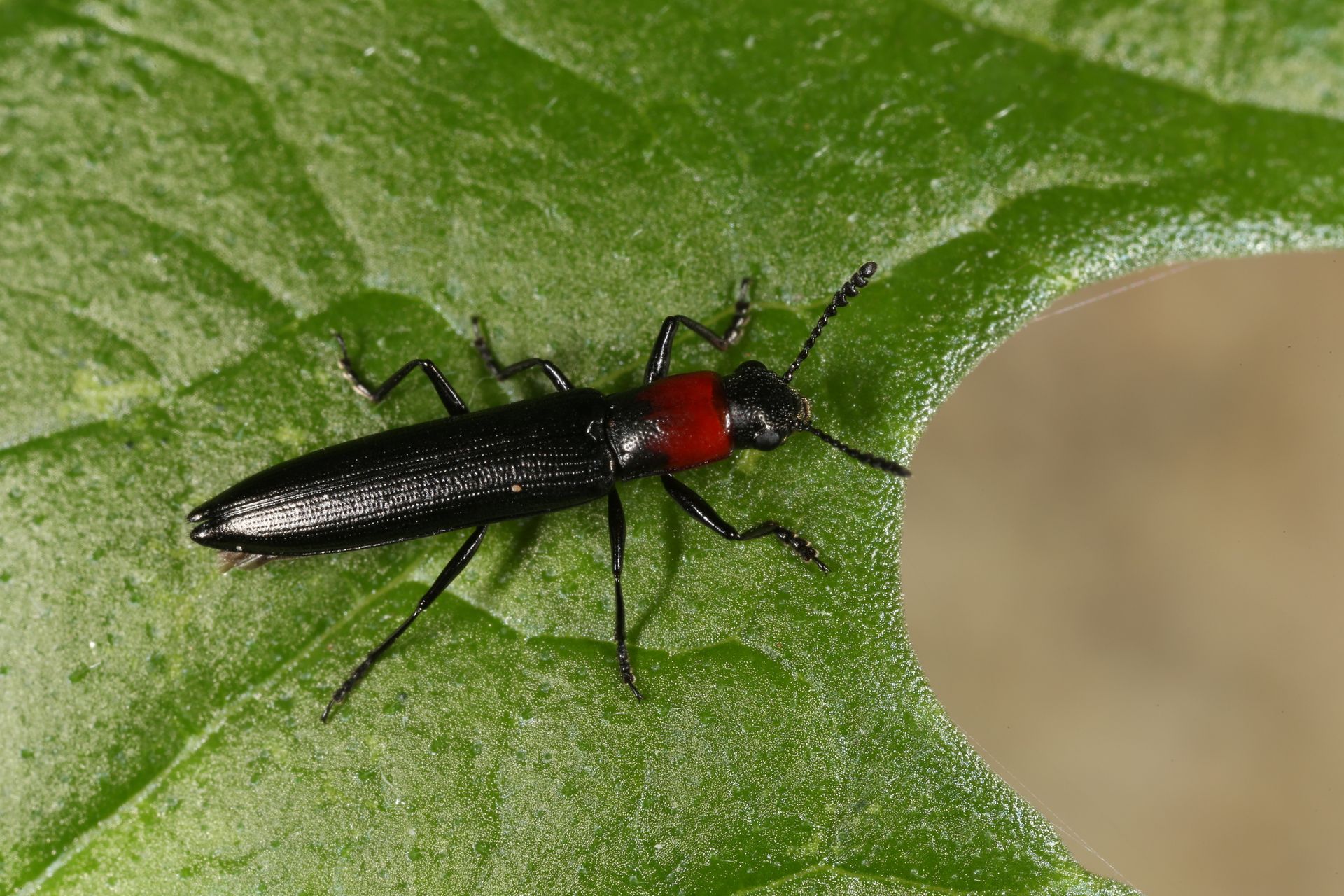
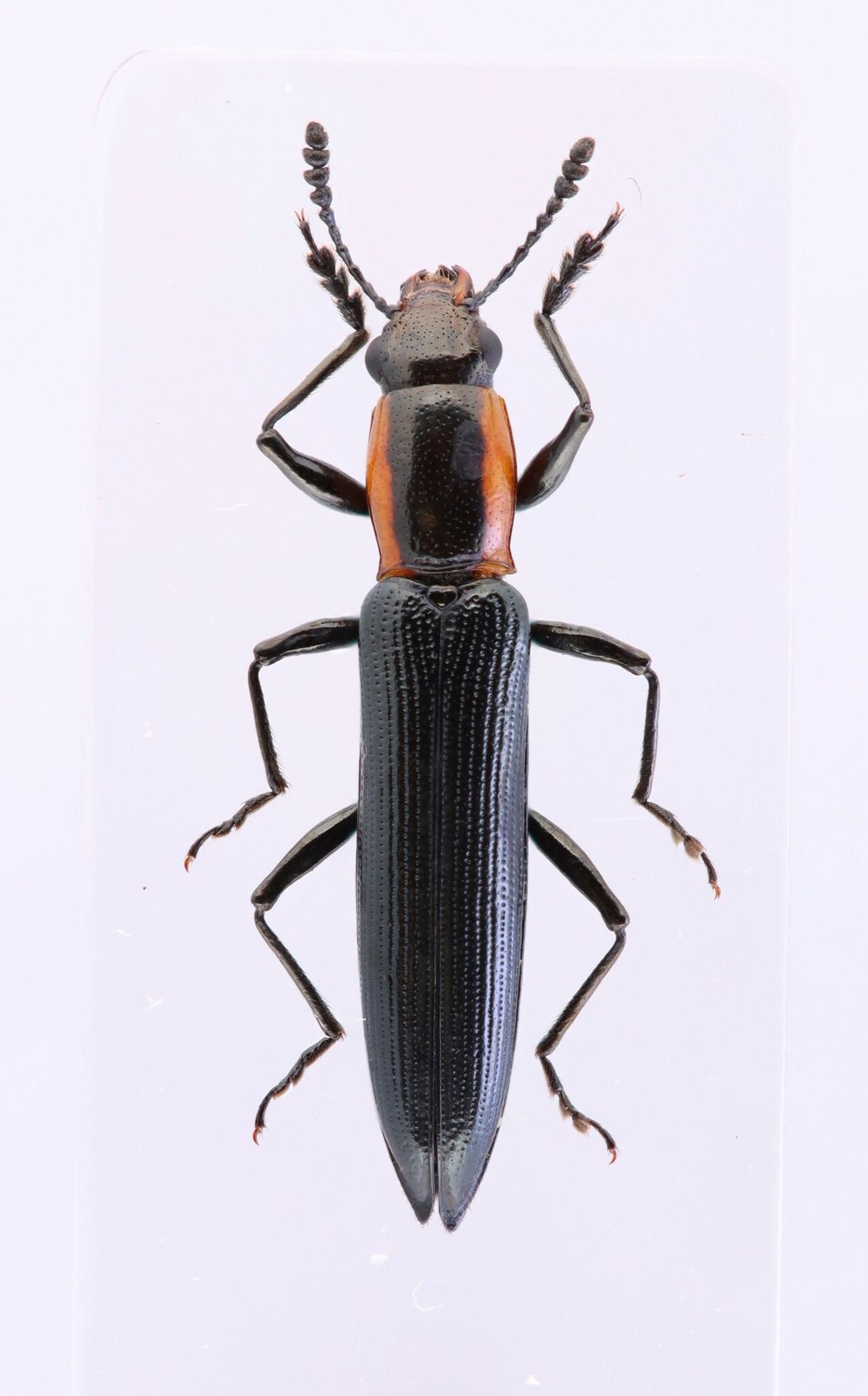
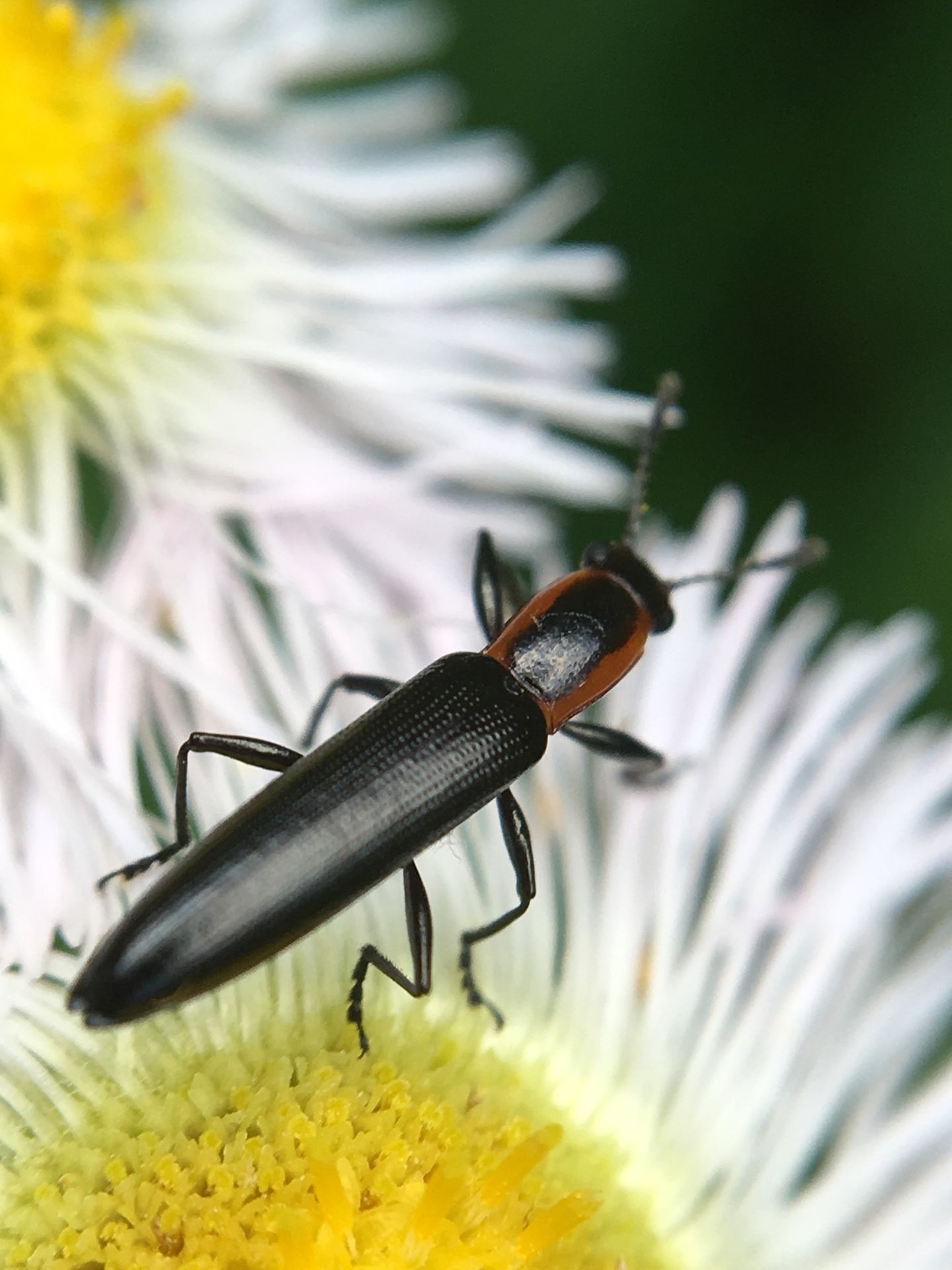
1Acropteroxys gracilis, commonly known as the slender lizard beetle, is a in the Erotylidae. It occurs from Central America through North America, including southern Canada. The species measures 6–12 mm in body length and is the smaller and narrower of the two described species in its . It has been investigated for potential use as a biocontrol agent due to its feeding on ragweed (Ambrosia), though it is also considered an economic pest of several cultivated legumes and other plants.
Pronunciation
How to pronounce Acropteroxys gracilis: /əˌkrɒptəˈrɒksɪs ˈɡræsɪlɪs/
These audio files are automatically generated. While they are not always 100% accurate, they are a good starting point.
Identification
Distinguished from Acropteroxys lecontei by its smaller size (6–12 mm vs. larger in A. lecontei) and more slender, narrower body form. As one of only two described in the , identification to genus level relies on -level characters of Erotylidae combined with the distinctive genus .
Images
Distribution
Central America and North America, including southern Canada (Manitoba).
Diet
Reported to feed on Ambrosia including common ragweed (Ambrosia artemisiifolia). Also observed boring into stems of red clover (Trifolium pratense), alfalfa (Medicago sativa), sweet clover (Melilotus spp.), and plants in Asteraceae, Poaceae, and Urticaceae .
Host Associations
- Ambrosia artemisiifolia - food plantcommon ragweed
- Trifolium pratense - (boring damage)red clover
- Medicago sativa - (boring damage)alfalfa
- Melilotus spp. - (boring damage)sweet clover
- Asteraceae - (boring damage)
- Poaceae - (boring damage)
- Urticaceae - (boring damage)
Behavior
Larvae and bore into plant stems, causing damage to tissues.
Human Relevance
Investigated as a potential biocontrol agent for ragweed (Ambrosia), a serious agricultural pest. However, considered an economic pest due to stem-boring damage in red clover, alfalfa, sweet clover, and other crop and forage plants.
Similar Taxa
- Acropteroxys leconteiThe only other described in the ; A. gracilis is distinguished by smaller size (6–12 mm) and more slender, narrower body form.
More Details
Taxonomic note
One of only two currently described in the Acropteroxys.