Axion tripustulatum
(De Geer, 1775)
three-spotted lady beetle, Thrice-struck Lady Beetle
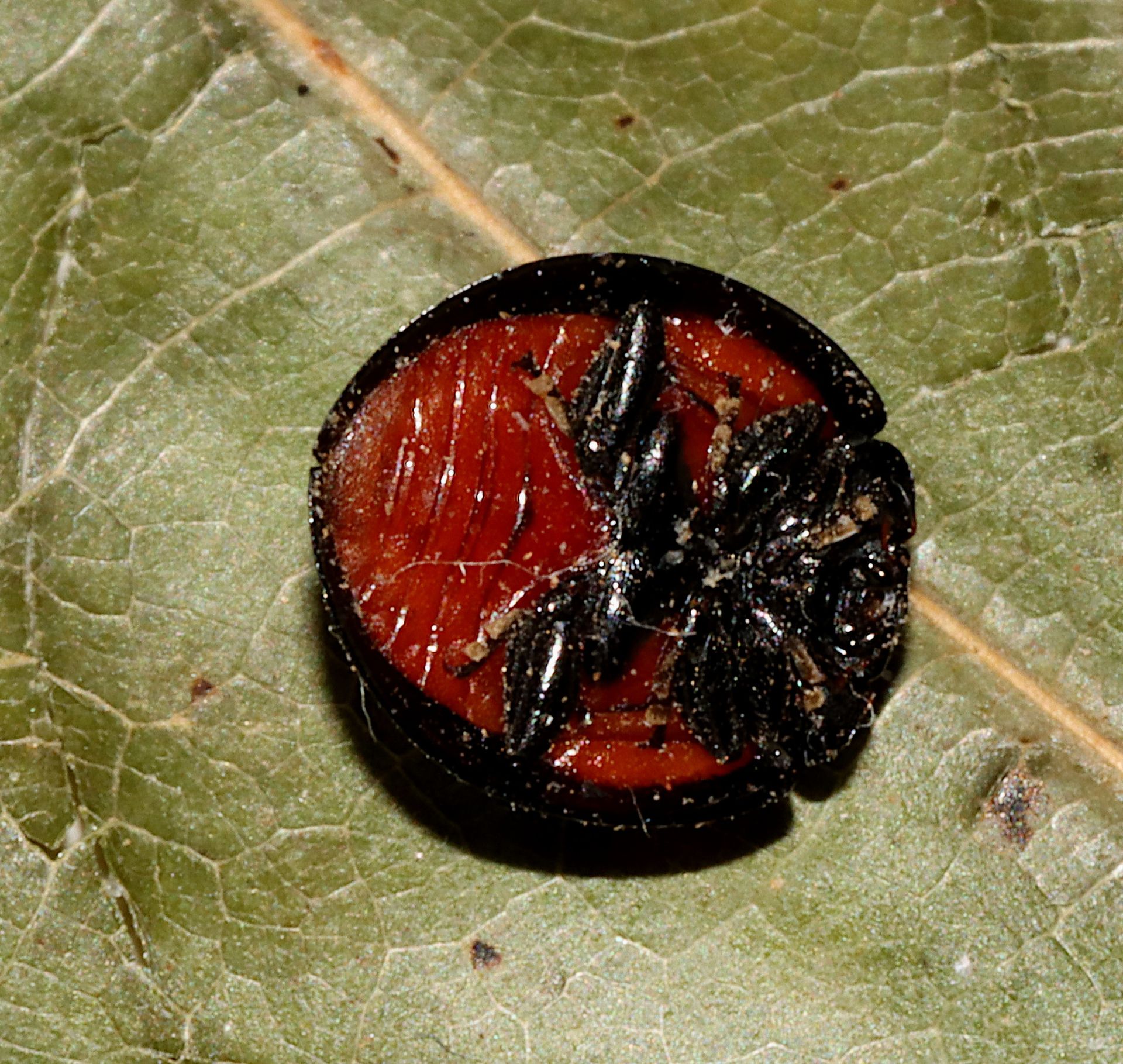
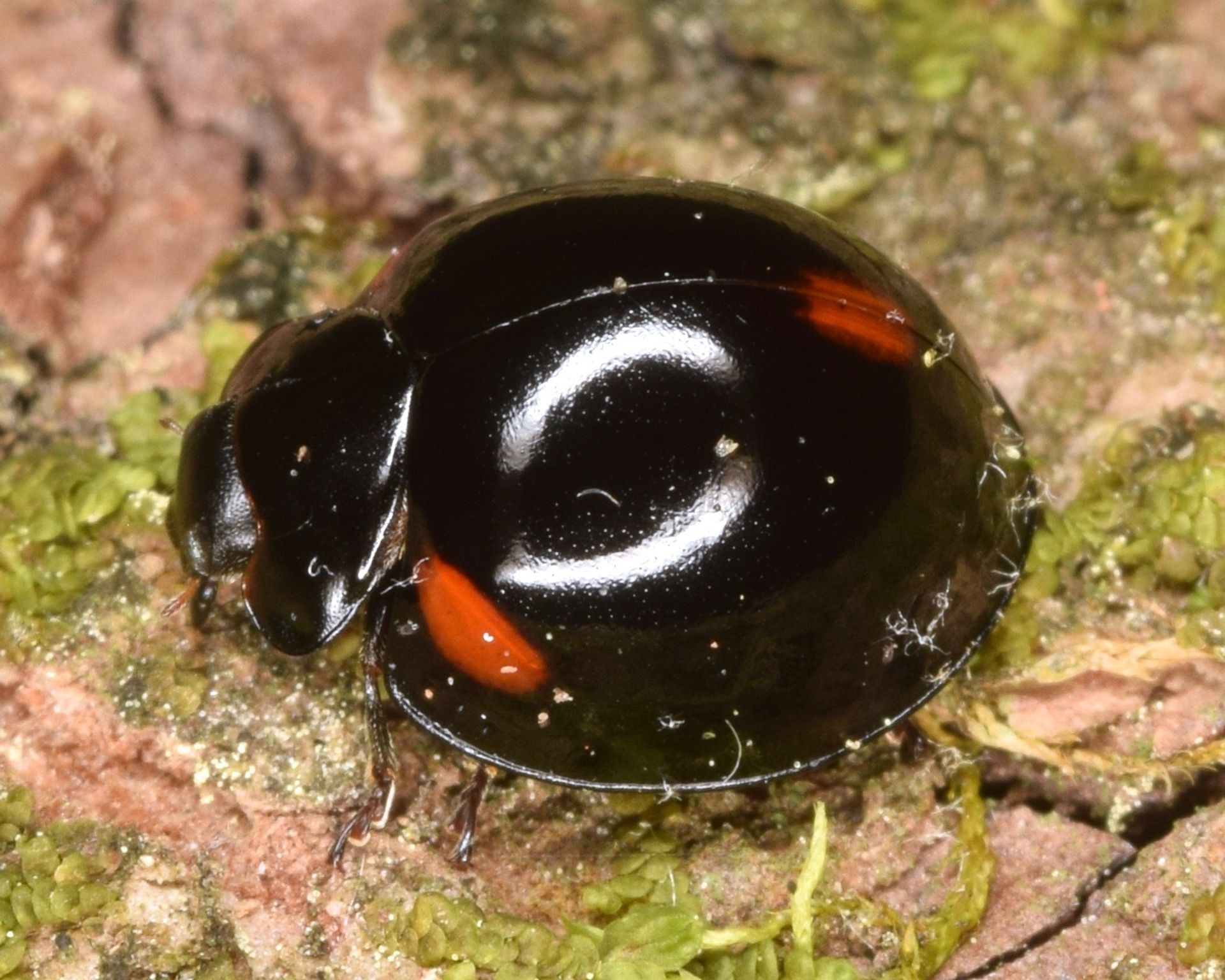
Axion tripustulatum is a small North measuring 5–7 mm in length. display a distinctive black coloration with pale markings on the and contrasting red or spots on the . The occurs across a broad eastern and central range from New York to Florida and west to Colorado and Texas.
Pronunciation
How to pronounce Axion tripustulatum: /ˈæksiən ˌtraɪpʊˈstjʊlətəm/
These audio files are automatically generated. While they are not always 100% accurate, they are a good starting point.
Identification
The combination of black body with pale pronotal markings and red or subhumeral elytral spots distinguishes this from most other North . The small size (5–7 mm) and specific spot placement—particularly the subhumeral position—aid in field identification.
Images
Distribution
North America. Recorded from New York south to Florida, and west to Colorado and Texas.
Similar Taxa
- Other Axion speciesMembers of the same share the general body plan and black base coloration, but differ in spot number, position, and color.
- Chilocorus stigmaSimilar size and black coloration with red markings, but has two spots per rather than the subhumeral spot and sutural area pattern of A. tripustulatum.
More Details
Nomenclature
The was first described by De Geer in 1775. include both 'three-spotted ' and 'Thrice-struck Lady Beetle', though the latter appears less frequently in use.