Zenodosus
Wolcott, 1910
Species Guides
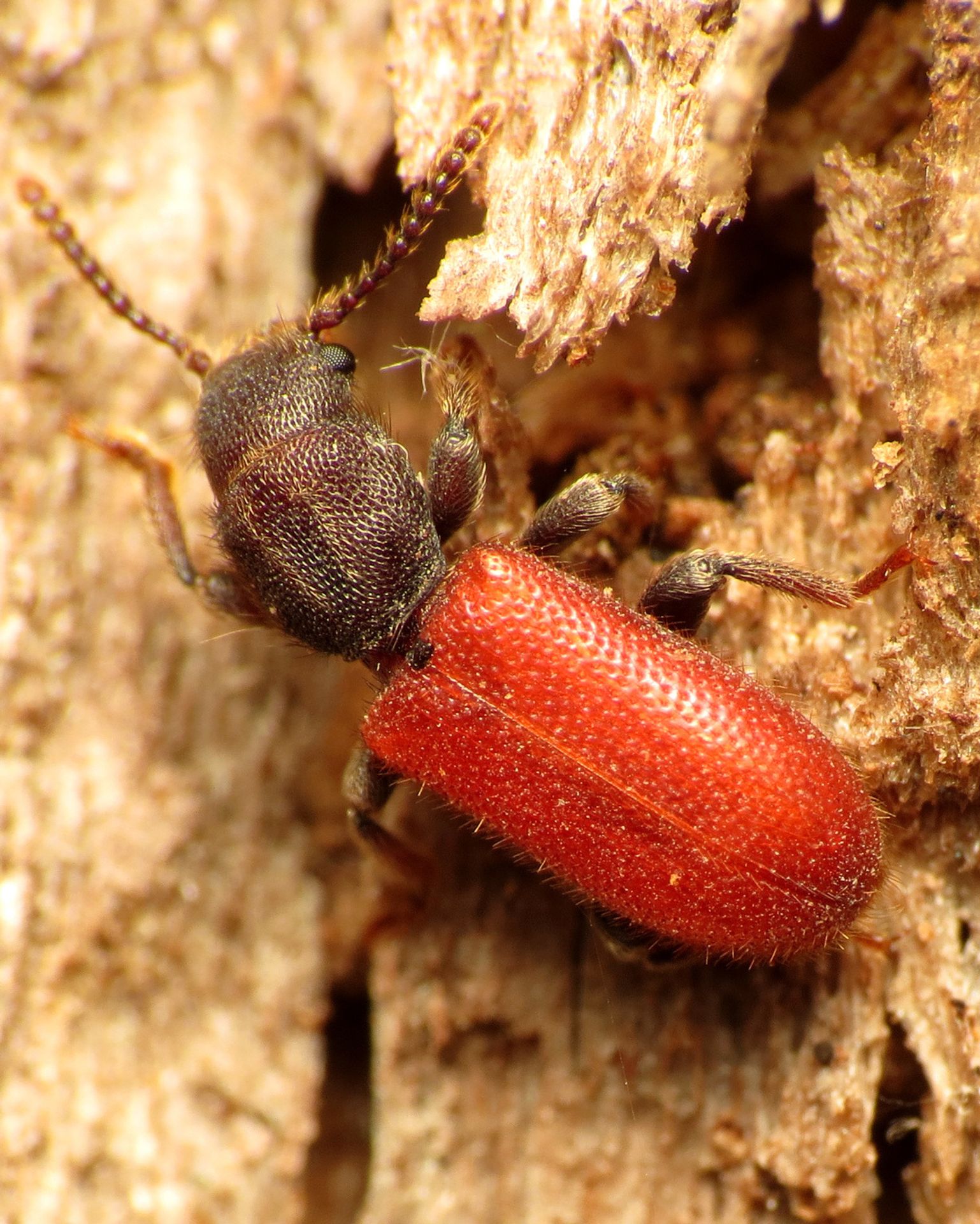
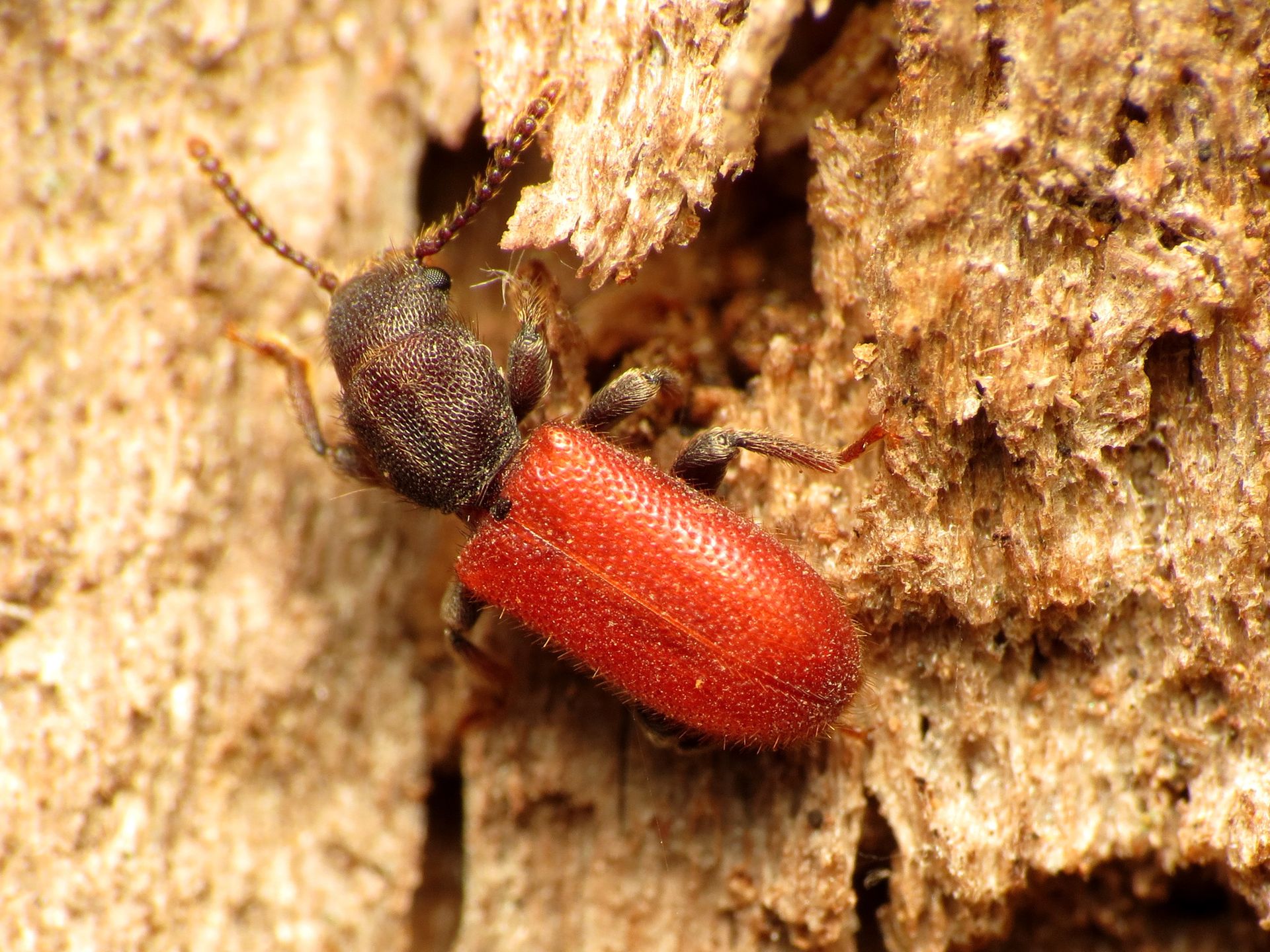
1- Zenodosus sanguineus(Blood-colored Checkered Beetle)
Zenodosus is a of cleroid beetles in the Thanerocleridae, established by Wolcott in 1910. The genus contains at least one described , Z. sanguineus. It is native to North America. Members of this family are generally associated with stored products and are often found in association with other insects.
Pronunciation
How to pronounce Zenodosus: //zɛˈnɒdəsəs//
These audio files are automatically generated. While they are not always 100% accurate, they are a good starting point.
Identification
Zenodosus can be distinguished from other in Thanerocleridae by its placement in the Zenodosinae. The single described Z. sanguineus has a reddish (sanguineous) coloration as indicated by its specific epithet. Detailed diagnostic features for the genus require examination of morphological characters such as antennal structure, pronotal shape, and elytral sculpturing.
Images
Distribution
Native to North America. Documented from the United States, including Vermont.
Human Relevance
Members of Thanerocleridae, including Zenodosus, have been associated with stored products and may occur in warehouses or storage facilities. Their ecological relationships with other insects suggest possible roles as or commensals in insect .
Similar Taxa
- ThaneroclerusBoth belong to Thanerocleridae but are placed in different ; Zenodosus in Zenodosinae and Thaneroclerus in Thaneroclerinae. Thaneroclerus is more widely known and contains associated with stored products.
More Details
Taxonomic History
The was established by A.B. Wolcott in 1910. The Zenodosinae was erected to accommodate this genus, indicating its distinct morphological position within Thanerocleridae.
Observation Data
iNaturalist records 429 observations for this , suggesting it is encountered with moderate frequency by naturalists, though many records may represent the single described Z. sanguineus.