
Rhadalus
J.L. LeConte, 1852
Species Guides
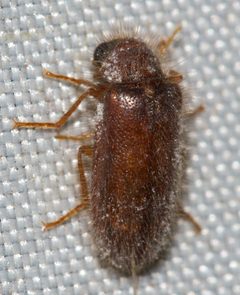
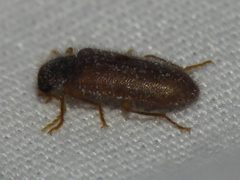
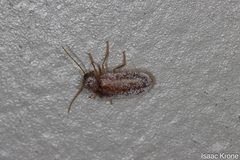
1Rhadalus is a of soft-bodied beetles in the Rhadalidae, established by John Lawrence LeConte in 1852. Members of this genus are small, elongate beetles historically classified within Melyridae (soft-winged flower beetles) but now recognized as a distinct family. The genus is relatively poorly known, with limited published information on its and . Observations are sparse, with only 16 records documented on iNaturalist as of the available data.
Pronunciation
How to pronounce Rhadalus: /ˈrædələs/
These audio files are automatically generated. While they are not always 100% accurate, they are a good starting point.
Images
Distribution
North America; the was described by LeConte based on North American material and remains documented primarily from this region.
Similar Taxa
More Details
Taxonomic History
Rhadalus has undergone significant taxonomic revision. Originally described by LeConte in 1852, it was long treated as a within Melyridae. Modern phylogenetic studies have elevated the group to rank as Rhadalidae, with Rhadalus as the type genus of the Rhadalinae. This reclassification reflects distinct evolutionary relationships separate from the core Melyridae.
Data Limitations
Available information on Rhadalus is extremely limited. The has minimal published biological or ecological data, and most knowledge derives from taxonomic rather than natural history studies. The 16 iNaturalist observations suggest it is rarely encountered or underreported.