
Byturidae
Gistel, 1848
fruitworms, fruitworm beetles
Genus Guides
2Byturidae is a small of cleroid beetles comprising over 15 described in two . The family is primarily distributed in the Holarctic region and Southeast Asia. Larvae of some , particularly Byturus, are significant agricultural pests of Rubus fruits (raspberries and blackberries), while others feed on catkins. feed on developing leaves, flowers, and pollen. The family includes two subfamilies: Platydascillinae (Southeast Asia) and Byturinae (Holarctic).
Pronunciation
How to pronounce Byturidae: //bɪˈtjʊərɪdi//
These audio files are automatically generated. While they are not always 100% accurate, they are a good starting point.
Identification
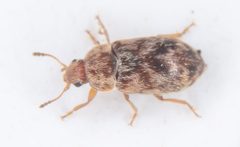
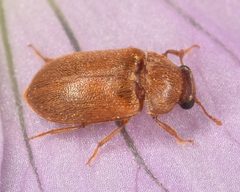
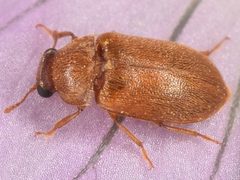
Byturidae can be distinguished from similar small polyphagan beetles by their densely pubescent and association with fruit or catkin . Within the , the two are geographically separated: Platydascillinae occur only in Southeast Asia, while Byturinae are Holarctic. The Byturus is distinguished by its association with Rubus fruits and its tomentose appearance. Xerasia are associated with catkins rather than fleshy fruits.
Images
Habitat
occur on vegetation where they feed on developing leaves, flowers, and pollen. Larval vary by and : Byturus larvae develop within fleshy fruits of Rubus and related genera; Xerasia larvae are associated with catkins; Platydascillinae larvae likely develop in similar floral or fruit structures in Southeast Asian forests.
Distribution
Holarctic region and Southeast Asia. Byturinae is restricted to the Holarctic. Platydascillinae is to Southeast Asia (Vietnam, Sumatra). Specific records include Denmark, Norway, Sweden, Vermont (USA), and broader USA distribution.
Diet
Host Associations
- Rubus - Blackberries and raspberries; larval development in fruits
- Geum - Larval for Byturus unicolor
Life Cycle
Complete (holometabolous). Larvae develop within fruits or catkins. Specific site and timing vary by and are not fully documented across the .
Behavior
Larvae are endophytic feeders within fruits or catkins, consuming both fruit tissue and seeds in pest . are external feeders on vegetation. or activity patterns are not well documented.
Ecological Role
Larvae function as primary consumers of fruit and seed tissues. In agricultural systems, Byturus act as economic pests. In natural , they likely contribute to seed and nutrient cycling in fruiting plants. may contribute to incidental pollination while feeding on flowers and pollen.
Human Relevance
Byturus tomentosus and Byturus unicolor are significant agricultural pests of raspberry and blackberry crops, causing direct damage to fruits and seeds. Larval feeding renders fruits unmarketable and reduces yield. Management requires monitoring and control in commercial Rubus production.
Similar Taxa
- NitidulidaeBoth are small beetles associated with fruits; distinguished by Byturidae's more densely pubescent body and specific larval feeding habits within intact fruits rather than on decaying or damaged material
- other Cleroidea familiesByturidae's placement in Cleroidea is supported by molecular ; morphological distinction from related cleroid requires examination of mouthpart and genitalic characters
More Details
Subfamily Distribution
The 's disjunct distribution reflects ancient biogeographic patterns. Platydascillinae's restriction to Southeast Asia and Byturinae's Holarctic distribution suggest long-term isolation between these lineages.
Molecular Phylogenetics
Phylogenetic studies using ITS2 and mitochondrial COI sequences indicate that American Byturus unicolor comprise at least three distinct genetic groupings. Surprisingly, the American raspberry is more closely related to Japanese Byturus affinis than to the European raspberry beetle, suggesting an Asian origin for the lineage that colonized western North America.