
Diplocoelus rudis
LeConte, 1863
false skin beetle
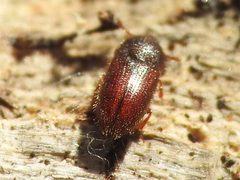
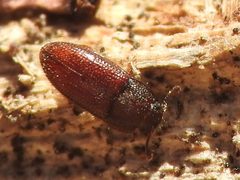
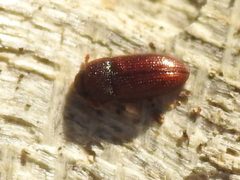
Diplocoelus rudis is a of in the Biphyllidae. It was described by LeConte in 1863. The species is found in North America, though specific details about its and remain poorly documented in available literature. As a member of the Biphyllidae family, it belongs to a small group of beetles commonly known as false skin beetles, which are associated with fungi and decaying organic matter.
Pronunciation
How to pronounce Diplocoelus rudis: /ˌdɪploʊˈsiːləs ˈruːdɪs/
These audio files are automatically generated. While they are not always 100% accurate, they are a good starting point.
Images
Distribution
North America
More Details
Taxonomic history
Described by John Lawrence LeConte in 1863, a prominent American entomologist who described thousands of North American during the 19th century.
Family characteristics
Members of Biphyllidae are small beetles, typically 1.5–3 mm in length, with clubbed . They are commonly found under bark, in decaying wood, or in association with fungi. The contains approximately 200 worldwide, with most species found in tropical and subtropical regions.