
Cryptocephalus sanguinicollis
Suffrian, 1852
Blood-necked Cryptocephalus
Species Guides
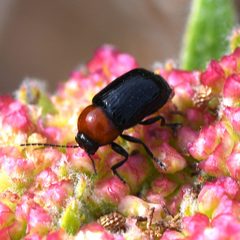
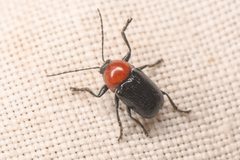
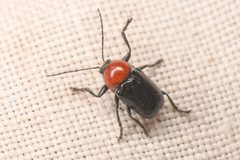
2A case-bearing leaf beetle in the Chrysomelidae, distinguished by its blood-red pronotum that contrasts with the body. The occurs across North and Central America with three recognized . Like other Cryptocephalus, larvae construct portable cases from fecal material and .
Pronunciation
How to pronounce Cryptocephalus sanguinicollis: //ˌkrɪptoʊˈsɛfələs ˌsæŋɡwɪnɪˈkɒlɪs//
These audio files are automatically generated. While they are not always 100% accurate, they are a good starting point.
Identification
The specific epithet "sanguinicollis" (blood-necked) refers to the red or reddish pronotum, which provides a key visual cue for recognition. Separation from other Cryptocephalus requires examination of genitalia and detailed body proportions; the red pronotal coloration is not unique to this species. differentiation involves subtle color and size variation: C. s. nigerrimus is darker overall, while C. s. schreibersii has distinct morphological proportions.
Images
Distribution
North America and Central America. GBIF records confirm presence in both regions, though specific country-level distribution requires further verification.
Life Cycle
Larvae are case-bearers, constructing portable protective cases from fecal material and shed carried on the . This trait is characteristic of the but specific developmental timing for this is undocumented.
Similar Taxa
- Other Cryptocephalus speciesMany share reddish coloration and body form; reliable identification requires examination of and other genitalic structures.