
Baliosus
Weise, 1905
Species Guides
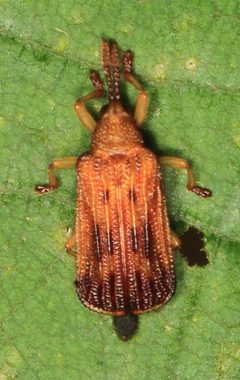
4- Baliosus californicus
- Baliosus ferrugineus
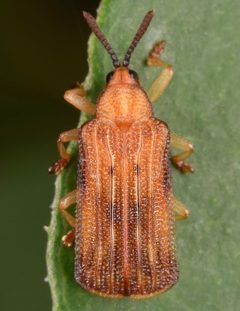
- Baliosus nervosus(Basswood Leafminer)
- Baliosus randia
Baliosus is a of leaf beetles in the Chrysomelidae, containing at least 40 described . Members are classified within the Cassidinae, which includes both tortoise beetles and hispines. The genus was established by Weise in 1905. Species in this genus are primarily found in North America.
Pronunciation
How to pronounce Baliosus: //ˌbæliˈoʊsəs//
These audio files are automatically generated. While they are not always 100% accurate, they are a good starting point.
Identification
As a within Cassidinae, Baliosus share traits with both tortoise beetles and hispines. Hispine-type members typically have flattened, elongate bodies with spiny or sculptured , while tortoise beetle-type members possess the characteristic domed, shield-like body form. Specific diagnostic features for the genus require examination of antennal structure, tarsal segmentation, and elytral punctation patterns.
Images
Distribution
North America. Distribution records include the United States, with confirmed occurrences in Vermont.
Similar Taxa
- Other Cassidinae generaMany Cassidinae share the hispine or tortoise beetle body forms; Baliosus is distinguished by a combination of antennal, tarsal, and elytral characters that require examination.
- Hispines in tribe ChalepiniMembers of the same tribe Chalepini may appear similar in body shape and spination; generic assignment depends on subtle morphological differences in mouthpart and leg structure.
More Details
Taxonomic note
The Baliosus contains exhibiting both hispine and tortoise beetle morphologies, reflecting the diverse body plans within Cassidinae. The genus is placed in tribe Chalepini, a group characterized by varied feeding habits and associations on monocot and dicot plants.
Research status
Despite containing at least 40 , detailed biological information for most Baliosus species remains limited in published literature. Most observations and records are taxonomic rather than ecological.