
Stator
Bridwell, 1946
seed beetles
Species Guides
7- Stator beali(Four-spotted Ebony Bruchid)
- Stator chihuahua
- Stator limbatus
- Stator pruininus(pruinose bean weevil)
- Stator sordidus(sordid bean weevil)
- Stator subaeneus
- Stator vachelliae
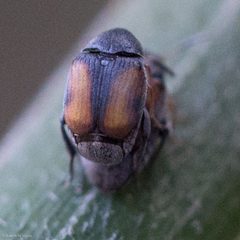
Stator is a of seed beetles in the Chrysomelidae, established by Bridwell in 1946. The genus contains approximately 14 described . Most members are specialized feeders on legume seeds (Fabaceae), with larvae developing inside seeds. These beetles are of economic importance as pests of stored legumes.


Pronunciation
How to pronounce Stator: /ˈsteɪtɔr/
These audio files are automatically generated. While they are not always 100% accurate, they are a good starting point.
Identification
Stator are small beetles in the Chrysomelidae, distinguished from other seed beetles by their association with legume . Members of this can be separated from the related genus Acanthoscelides by subtle morphological characters of the genitalia and antennal structure. Specific identification to species level requires examination of male genitalia and often knowledge of the host plant.
Images
Habitat
Associated with leguminous plants, particularly in dry, warm environments where legume seeds are produced or stored. Found in natural vegetation, agricultural fields, and storage facilities where legume seeds are present.
Distribution
Records indicate presence in Colombia (CO). The is likely more broadly distributed in the Americas given its legume specialization, but specific distribution data for the genus as a whole is limited.
Seasonality
Activity patterns likely follow legume flowering and seed maturation cycles. may be present year-round in tropical regions; in temperate areas, activity peaks during warm months when plants are reproductive.
Diet
Specialized on legume seeds (Fabaceae). Larvae develop inside seeds, consuming the embryo and cotyledons. may feed on pollen or other plant tissues, but larval development is strictly seed-based.
Host Associations
- Fabaceae - primary Most specialize on legume seeds for larval development
Life Cycle
Complete with , larva, pupa, and stages. Females lay eggs on or in legume pods. Larvae bore into seeds and feed internally, pupating within the seed. Adults emerge through exit holes. Multiple per year possible in favorable conditions.
Behavior
Larval development occurs entirely within seeds, making them concealed feeders. are likely active during daylight hours and may be found on plants. Some are known to infest stored legume products.
Ecological Role
Seed on leguminous plants. In natural , may regulate plant and serve as food source for . In agricultural systems, acts as pest reducing seed viability and stored product quality.
Human Relevance
Several are significant pests of stored legumes, including beans and other pulses. reduce seed germination, nutritional quality, and market value. Some species are intercepted in international grain trade.
Similar Taxa
- AcanthoscelidesClosely related of legume-feeding seed beetles in the same ; distinguished by genitalic and antennal characters
- CallosobruchusAnother of legume seed beetles; some overlap in use and pest status, but differ in morphological details
More Details
Taxonomic note
The name 'Stator' is also used in engineering for the stationary component of rotary systems; this is unrelated to the genus. A named Horismenus stator exists in Hymenoptera (Eulophidae), but this is a homonym and not congeneric with the beetle genus Stator.