Syncalyptinae
Syncalyptinae
Classification
- Phylum: Arthropoda
- Subphylum: Hexapoda
- Class: Insecta
- Order: Coleoptera
- Suborder: Polyphaga
- Superfamily: Byrrhoidea
- Family: Byrrhidae
- Subfamily: Syncalyptinae
Pronunciation
How to pronounce Syncalyptinae: /sɪŋ.kəˈlɪp.tɪ.neɪ/
These audio files are automatically generated. While they are not always 100% accurate, they are a good starting point.
Images
Summary
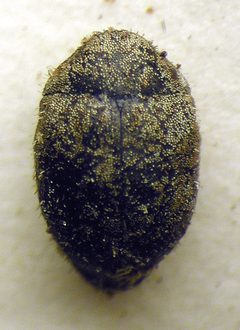
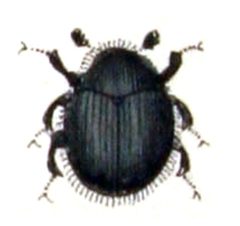
Syncalyptinae subfamily encompasses pill beetles characterized by their ability to roll into a ball for defense, including the genus Sierraclava with the species S. cooperi.
Physical Characteristics
Pill beetles with a robust, oval body shape, typically exhibiting a smooth or slightly textured exoskeleton.
Identification Tips
Look for c-shaped bodies that can roll into a ball; often found in leaf litter or underneath rocks.
Habitat
Prefers damp environments such as leaf litter, soil, and beneath stones in forests or wetlands.
Distribution
S. cooperi is primarily found in specific regions of North America.
Diet
Feeding on decaying plant matter and possibly fungi.
Life Cycle
Undergoes complete metamorphosis; egg, larva, pupa, and adult stages.
Reproduction
Reproduction typically involves laying eggs in suitable habitats, with larvae feeding on organic matter upon hatching.
Predators
Predators may include birds and other insects that are capable of consuming small beetles.
Ecosystem Role
Contributes to the decomposition of organic matter, aiding in nutrient cycling in their habitat.
Collecting Methods
- Hand collection
- Pitfall traps
- Sweeping through vegetation
Preservation Methods
- Ethanol preservation
- Pin mounting
- Drying and pressing
Evolution
Part of the subfamily Syncalyptinae within the family Byrrhidae, which exhibits evolutionary adaptations for a pill-like shape.
Similar Taxa
- Byrrhidae
- Eubria
- Pillbugs
Misconceptions
Often confused with other beetles; some may believe they are harmful, though they play a beneficial role in the ecosystem.
Tags
- Syncalyptinae
- Byrrhidae
- Coleoptera
- Beetles