
Eupristocerus
Deyrolle, 1865
Species Guides
1- Eupristocerus cogitans(Alder Gall Buprestid)
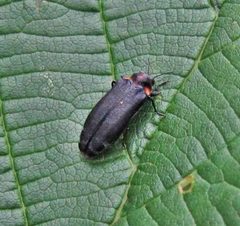
Eupristocerus is a of jewel beetles ( Buprestidae) containing the single Eupristocerus cogitans. The genus is classified within the tribe Coraebini, a group of buprestids characterized by their association with woody plants. Eupristocerus cogitans is notable as the only coraebine buprestid known from North America north of Mexico.
Pronunciation
How to pronounce Eupristocerus: /juːˌprɪstəˈsɛrəs/
These audio files are automatically generated. While they are not always 100% accurate, they are a good starting point.
Identification
The single Eupristocerus cogitans can be distinguished from other North American Buprestidae by its placement within the tribe Coraebini, which is otherwise represented in the region only by introduced species. Specific diagnostic features of the and species require examination of morphological characters typical of the tribe, including antennal structure and body form.
Images
Habitat
Eupristocerus cogitans has been found in association with alder (Alnus spp.), specifically in riparian or lakeside settings where alder grows. The type locality and known collection sites feature sickly or stressed clumps of alder adjacent to water bodies.
Distribution
The is known from the eastern United States, with records from Vermont and possibly other northeastern states. The single E. cogitans has been documented in Tennessee and potentially other areas within its range.
Diet
Larvae develop in alder (Alnus spp.), feeding on the wood of living or stressed trees. The specific feeding habits of are not documented.
Host Associations
- Alnus - larval Alder trees, specifically noted as 'sickly clumps of alder' at collection sites
Life Cycle
have been collected by beating alder branches, suggesting and activity periods coinciding with the growing season. Larval development occurs within alder wood. Detailed information is not available.
Behavior
are reportedly clumsy and relatively easy to capture compared to more agile buprestids such as Chrysobothris. They have been observed sitting on alder branches and can be collected in numbers by beating vegetation.
Ecological Role
As a wood-boring , larvae contribute to the decomposition of alder wood and nutrient cycling in riparian . The specific ecological impacts are not documented.
Human Relevance
No significant economic or agricultural importance has been documented. The is of interest to coleopterists due to its status as North America's only native coraebine buprestid.
Similar Taxa
- ChrysobothrisBoth are Buprestidae, but Chrysobothris are generally more agile, often associated with conifers or hardwoods rather than alder, and lack the coraebine characteristics of Eupristocerus
- BuprestisBoth are Buprestidae, but Buprestis are typically larger, often brightly metallic, and associated with different plants; they are not members of the tribe Coraebini
More Details
Taxonomic significance
Eupristocerus cogitans is the only member of the tribe Coraebini native to North America north of Mexico. This tribe is otherwise represented in the region by introduced , making E. cogitans of particular biogeographic interest.
Collection history
The has proven difficult to locate historically, with collectors specifically targeting it at known localities. Successful collection has involved beating alder branches over sheets, with multiple individuals sometimes obtained from single trees.