
Ptilinus
Geoffroy, 1762
Death-watch Beetles
Species Guides
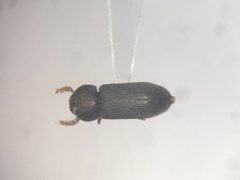
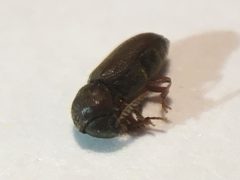
5Ptilinus is a of beetles commonly known as death-watch beetles, placed in the Ptinidae. The genus contains at least nine described distributed across the Palearctic, Nearctic, Neotropical, Near East, and North Africa. Species in this genus are associated with wood-boring habits typical of the family.
Pronunciation
How to pronounce Ptilinus: //ˈtaɪ.lɪ.nəs//
These audio files are automatically generated. While they are not always 100% accurate, they are a good starting point.
Identification
Members of Ptilinus can be distinguished from other Ptinidae by features of the and body form characteristic of the subtribe Ptilinina, though specific diagnostic traits require examination of individual . The genus is part of the death-watch beetle group, which shares the -level trait of a hood-like pronotum that partly covers the .
Images
Habitat
in this are associated with woody substrates, consistent with the wood-boring of Ptinidae. Specific microhabitat preferences vary by species.
Distribution
Native to the Palearctic (including Europe), Near East, Nearctic, Neotropical, and North Africa. Distribution records include Denmark, Norway, and the eastern United States (Vermont).
Ecological Role
As wood-boring beetles, in this contribute to the decomposition of dead wood in forest . Their activity in seasoned timber can also affect human structures.
Human Relevance
Death-watch beetles in this may infest seasoned wood in buildings, potentially causing structural damage. The derives from the tapping sound produced by some related beetles in the , historically associated with superstitions about impending death.
Similar Taxa
- XestobiumAlso placed in Ptinidae and commonly called death-watch beetles; Xestobium rufovillosum is the most frequently associated with the in Europe. Ptilinus species generally differ in antennal structure and geographic distribution.
- AnobiumAnother of Ptinidae with wood-boring habits; differs in body proportions and antennal club structure.
More Details
Taxonomic History
Ptilinus was described by Geoffroy in 1762. The has been variously placed in Anobiidae or Ptinidae depending on classification scheme; current treatments recognize Ptinidae as the valid . The subtribe Ptilinina is named for this genus.
Notable Species
Ptilinus pectinicornis (Linnaeus, 1758) is among the earliest described in the . Several species were described by American entomologists J.L. LeConte and T.L. Casey in the 19th century.