
Tricorynini
R.E. White, 1971
Genus Guides
2- Cryptorama(death-watch beetles)
- Tricorynus(deathwatch beetles)
Tricorynini is a tribe of small beetles within the Ptinidae (spider beetles and allies), established by R.E. White in 1971. Members are classified in the Mesocoelopodinae and are characterized by morphological features distinguishing them from related tribes such as Mesocoelopodini. The tribe includes associated with stored products and dry organic materials. These beetles are generally small, compact, and often found in human-associated environments.

Pronunciation
How to pronounce Tricorynini: //ˌtraɪkɔˈraɪnɪnaɪ//
These audio files are automatically generated. While they are not always 100% accurate, they are a good starting point.
Identification
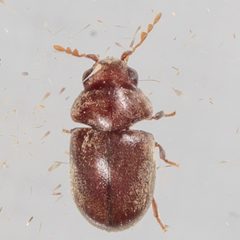
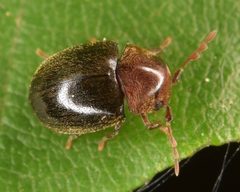
Tricorynini can be distinguished from the related tribe Mesocoelopodini by antennal structure and body proportions. Members typically have a more compact body form and modified antennal clubs compared to other Ptinidae tribes. Specific diagnostic characters include details of the pronotal shape and elytral striation patterns, though these require examination of preserved specimens. Separation from other Ptinidae tribes requires reference to the original tribal by White (1971).
Images
Habitat
within Tricorynini are frequently associated with stored products, dried plant materials, and debris in human-modified environments. They occupy dry, dark conditions including warehouses, pantries, and accumulations of organic matter. Some species have been recorded from natural such as leaf litter and decaying vegetation, though documentation is sparse.
Distribution
The tribe has been recorded from multiple continents including North America, Central America, South America, Europe, and parts of Asia. Distribution patterns reflect both native ranges and human-mediated through commerce in stored products.
Diet
Feeding habits are inferred from associations; members are presumed to consume dry organic matter including stored grains, seeds, dried fungi, and detritus. Specific dietary records for the tribe as a whole are not established.
Ecological Role
As decomposers of dry organic material, members contribute to nutrient cycling in both natural and anthropogenic environments. In stored product contexts, some may function as minor pests or indicators of storage conditions.
Human Relevance
Several are associated with stored product environments and may indicate conditions conducive to pest . They are occasionally encountered in food inspection and contexts. The tribe does not include major economic pests, though individual species may cause minor damage to dried goods.
Similar Taxa
- MesocoelopodiniSister tribe within Mesocoelopodinae; distinguished by antennal structure and body proportions as defined in White's (1971) tribal revision.
- PtininiAnother tribe in Ptinidae; Tricorynini differs in placement (Mesocoelopodinae vs. Ptininae) and associated morphological characters.
More Details
Taxonomic History
The tribe was established by R.E. White in 1971 as part of a revision of Nearctic Ptinidae, primarily to accommodate with characteristics intermediate between traditional concepts of Anobiidae and Ptinidae. The classification has been modified with the elevation of Ptinidae to status separate from Anobiidae (formerly Bostrichidae: Anobiinae).
iNaturalist Observations
The tribe has accumulated over 1,000 research-grade observations on iNaturalist, indicating moderate public detectability, though many records likely represent associated such as Tricorynus rather than explicit tribal identification.