Apsectus
LeConte, 1854
Species Guides
2Apsectus is a of small beetles in the Dermestidae, established by LeConte in 1854. The genus contains at least eight described distributed primarily in North and Central America. Like other dermestids, members of this genus are likely associated with decomposing organic matter, though specific ecological details remain poorly documented for most species.
Pronunciation
How to pronounce Apsectus: /æpˈsɛk.təs/
These audio files are automatically generated. While they are not always 100% accurate, they are a good starting point.
Identification
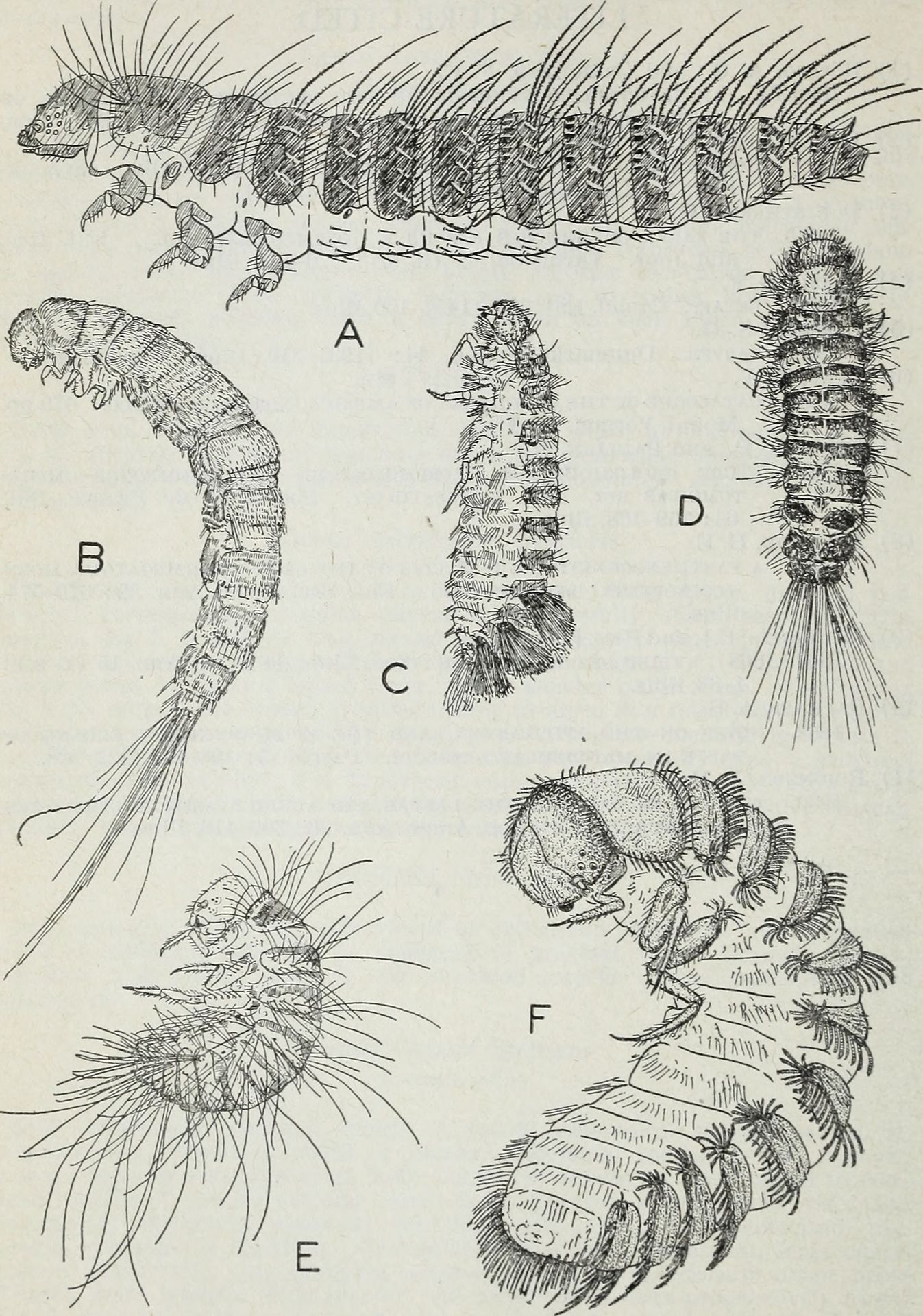
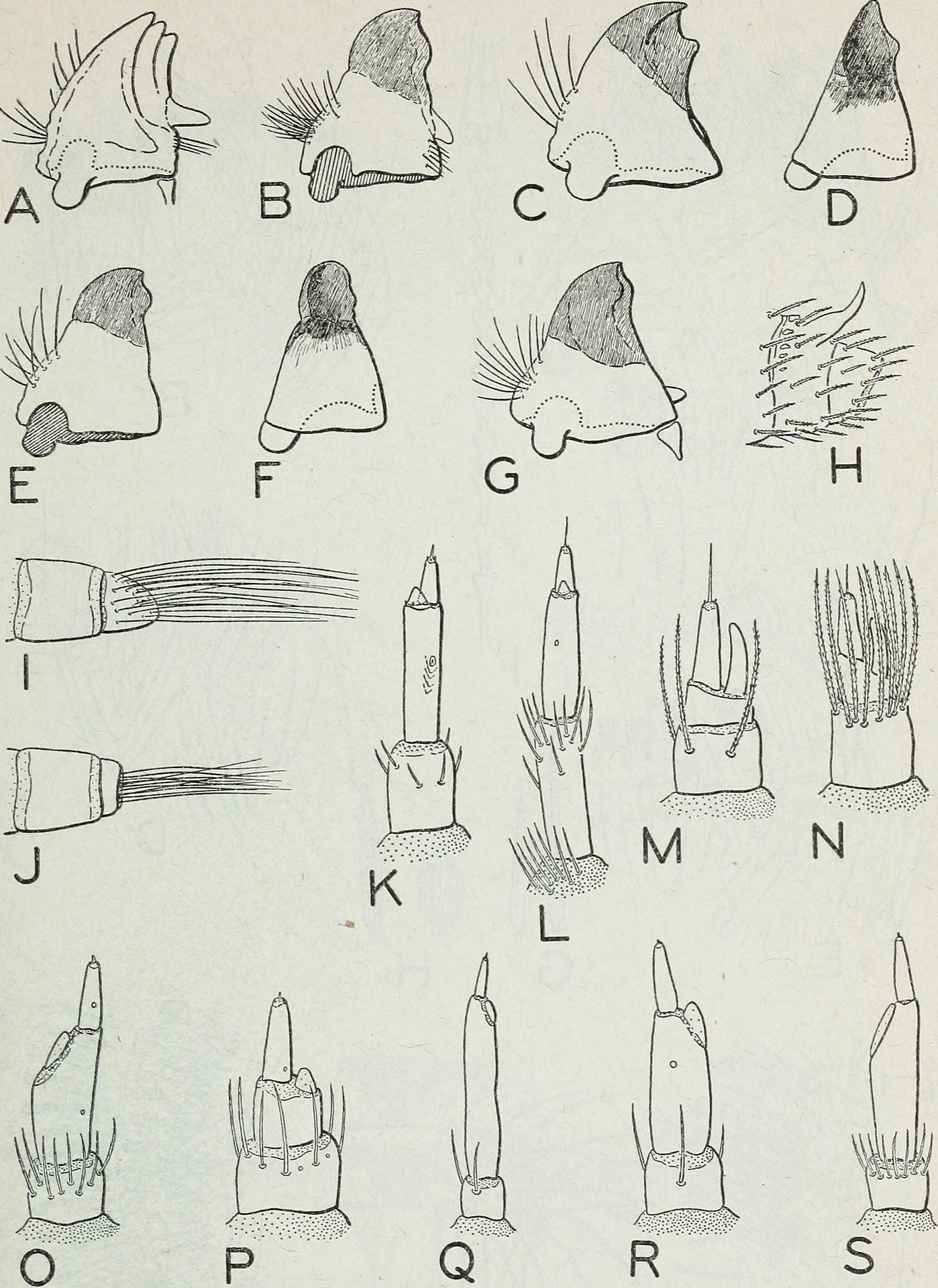
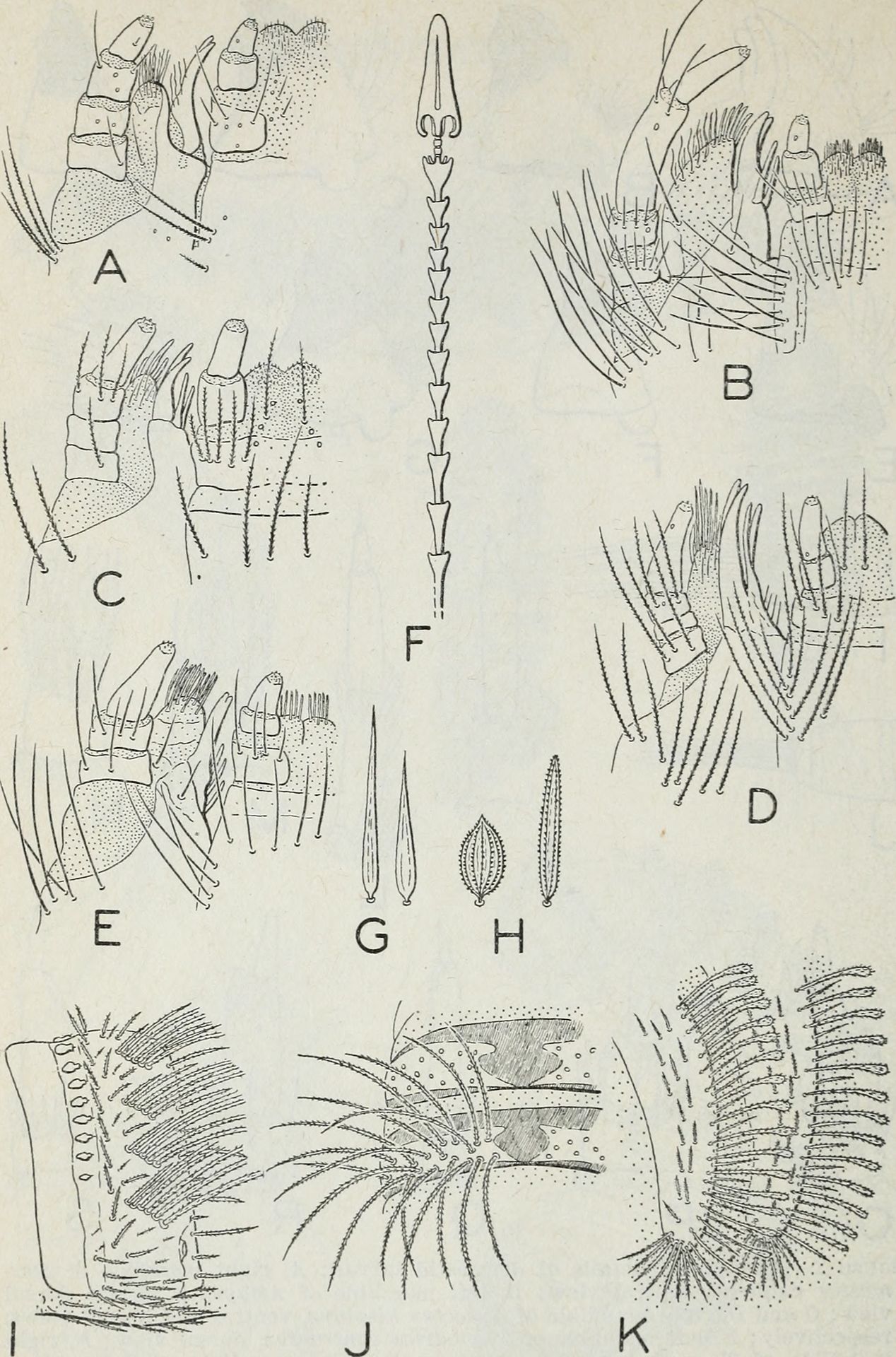
within Apsectus are distinguished from other Dermestidae by subtle morphological characters, particularly in the structure of the antennal club and the pattern of setae on the . The genus includes some of the smallest dermestid beetles, with species such as A. minutus and A. araneorum being notably diminutive. Definitive identification to species level requires examination of genitalia and detailed setal patterns.
Images
Distribution
The is primarily Nearctic in distribution, with records from the United States, Mexico, and Central America. such as A. mexicanus and A. centralis suggest a range extending into the Neotropical region. Specific locality data for most species remain sparse in published literature.
Similar Taxa
- AnthrenusBoth are small dermestid with setose , but Anthrenus typically display more distinct color patterns and are commonly associated with stored products and pollen.
- TrogodermaTrogoderma are larger dermestids with more robust body forms and are significant pests of stored grains; Apsectus species are smaller and less economically important.
More Details
Taxonomic History
The was described by John Lawrence LeConte in 1854. Several were later added by David Sharp (1902) and R. S. Beal (1959). The genus has not received comprehensive modern revision, and species boundaries may require further study.