
Matus
Aubé, 1836
Species Guides
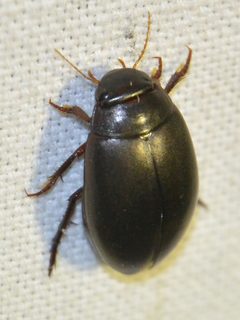
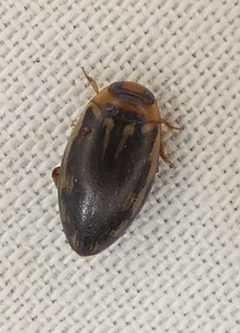
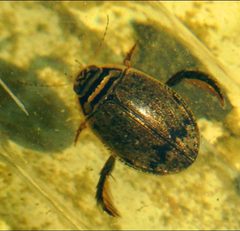
3Matus is a of predaceous diving beetles in the Dytiscidae, Matinae. First described by Aubé in 1836, this genus belongs to the tribe Matini. Members of this genus are aquatic beetles adapted to life in freshwater environments. The genus contains multiple distributed across various regions.
Pronunciation
How to pronounce Matus: /ˈmeɪtəs/
These audio files are automatically generated. While they are not always 100% accurate, they are a good starting point.
Identification
Matus can be distinguished from other Dytiscidae by their placement in the tribe Matini. Specific diagnostic features for the genus require examination of including body shape, elytral , and male genitalia. Separation from the related genus Allomatus and other Matini members depends on subtle structural characters.
Images
Habitat
Aquatic freshwater environments including ponds, lakes, and slow-moving waters.
Ecological Role
Predatory aquatic beetles that contribute to regulation of in freshwater .
Similar Taxa
- AllomatusBoth belong to tribe Matini and share aquatic predatory habits; distinguished by structural morphological differences
- Other Dytiscidae generaMatus is distinguished by its placement in Matinae and tribe Matini, separate from the majority of Dytiscidae in subfamily Dytiscinae
More Details
Taxonomic History
The was established by Aubé in 1836 and has been maintained in the Matinae, which represents a distinct lineage within the Dytiscidae .
Etymology Note
The name Matus is unrelated to the human given name and surname of the same spelling, which derives from Matthew/Matthias.