
Epilampra
Burmeister, 1838
Species Guides
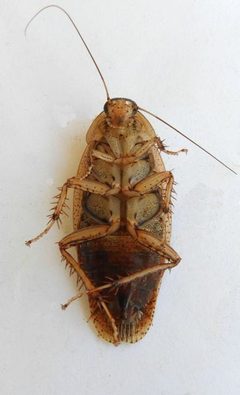
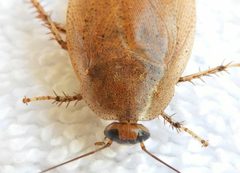
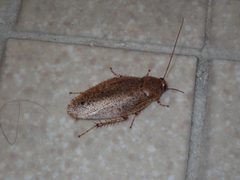
1- Epilampra maya(Maya cockroach)
Epilampra is a of in the Blaberidae, first described by Burmeister in 1838. The genus contains more than 70 described distributed primarily in the Americas. Epilampra species are classified within the Epilamprinae and tribe Epilamprini. These cockroaches are part of the diverse Blaberidae family, which includes many of the larger cockroach species.
Pronunciation
How to pronounce Epilampra: /ˌɛpɪˈlæmprə/
These audio files are automatically generated. While they are not always 100% accurate, they are a good starting point.
Identification
Epilampra can be distinguished from other blaberid by characteristics associated with the Epilamprinae, though specific diagnostic features for the require examination of genitalia and wing venation patterns. The genus is distinguished from related genera primarily through male genitalia and details of tegmina structure. Species-level identification within Epilampra is challenging and generally requires examination.
Images
Habitat
in this have been recorded from diverse tropical and subtropical . Based on collection records, they occur in forested environments and associated disturbed areas. Specific microhabitat preferences vary by species but likely include leaf litter, decaying wood, and other moist organic substrates typical of blaberid .
Distribution
The is distributed across the Americas, with confirmed records from Mexico, Brazil, and multiple regions of Argentina (northeast, south, and northwest). The distribution pattern suggests a primarily Neotropical range, though the full extent across Central and South America requires further documentation.
Ecological Role
As decomposers, Epilampra likely contribute to nutrient cycling in forest through consumption of decaying plant matter. Their role as prey for various vertebrate and has been inferred from general blaberid but specific documentation for this is limited.
Human Relevance
No significant direct interactions with humans have been documented. The is not known to contain domestic pest .
Similar Taxa
- Other Blaberidae generaEpilampra shares the general body plan and size range of many blaberid , requiring careful examination of genitalia and wing structures for definitive identification.
- PseudophoraspisSome Epilampra may resemble this related within Epilamprinae; differences in pronotum shape and male genitalia structure are used to separate them.
More Details
Taxonomic history
Epilampra was established by Burmeister in 1838 and has remained a stable within the Blaberidae, though -level has undergone periodic revision. The genus is the type genus of both Epilamprinae and tribe Epilamprini.
Research needs
Despite the large number of described (71+), many aspects of Epilampra remain undocumented. , ecological interactions, and detailed distribution data are sparse for most species.