
Sphaeridia pumilis
(Krausbauer, 1898)
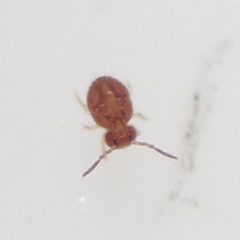
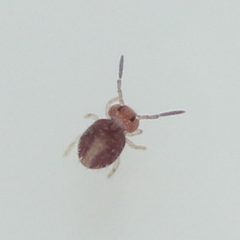
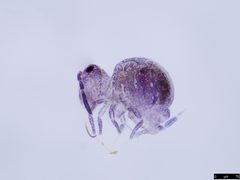
Sphaeridia pumilis is a minute (Collembola) in the Sminthurididae, characterized by its globular body and distinctive color . The exhibits multiple color forms including pink, yellow, white, and dark red/magenta variants, with color intensity increasing through maturity. It has been documented across Europe, Canada, and the United States, with notable geographic variation in color form frequency.
Pronunciation
How to pronounce Sphaeridia pumilis: //sfɛˈrɪ.di.ə ˈpjuː.mɪ.lɪs//
These audio files are automatically generated. While they are not always 100% accurate, they are a good starting point.
Identification
Distinguished from similar globular springtails by the combination of: (1) three-segmented with laterally curved terminal segments, (2) square to rectangular shape, and (3) pronounced color with geographic structure (pink/yellow/white in western North America, dark red/magenta more frequent in Europe and eastern North America). The minute size and globular body form place it in Symphypleona, with -level assignment to Sminthurididae based on antennal structure.
Images
Appearance
Minute globular springtail approximately the size of a salt grain. Body coloration highly variable: common forms include pink, yellow, and white (most frequent in western North America), with a rarer dark red/magenta form more prevalent in Europe and eastern North America. Color intensity increases with maturity. distinct, square to rectangular in shape. three-segmented, with the terminal two segments curving slightly laterally.
Habitat
Found in moist microhabitats including under logs, within leaf litter, and on the surface of standing water (puddles). The capacity to occupy the water surface film indicates to exploit the air-water interface.
Distribution
Documented from Europe, Canada, and the United States. GBIF records additionally indicate presence on São Miguel (Azores), with broader distribution patterns suggested in African Indian Desert, Amazon, Andean, and Antillean & South Florida regions, though these require verification.
Similar Taxa
- Other Sphaeridia species-level characters (globular body, three-segmented ) require careful examination of shape and color pattern for -level identification
- Other Sminthurididae genera members share globular body form; antennal segmentation and distinguish Sphaeridia
More Details
Color polymorphism and geography
The exhibits striking geographic variation in color form frequency, with the western United States dominated by pale forms (pink, yellow, white) while the dark red/magenta form is more prevalent in Europe and eastern North America. This pattern suggests possible regional or genetic structuring, though the mechanisms remain unstudied.
Surface-dwelling behavior
The observation of individuals on puddle surfaces indicates exploitation of the water surface tension layer, a known in some Collembola but not universally distributed within the group. This may represent a specific microhabitat preference distinct from the more typical soil/litter dwelling habit of most springtails.