
Sminthurides
Börner, 1900
Species Guides
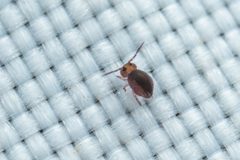
5Sminthurides is a of globular springtails in the Sminthurididae, established by Börner in 1900. The genus contains more than 30 described distributed across diverse global including Arctic, desert, and tropical regions. Members of this genus share the characteristic globular body form typical of the order Symphypleona, with a rounded profile and well-developed springing organ () for escape locomotion.


Pronunciation
How to pronounce Sminthurides: /smɪnˈθjʊərɪˌdiːz/
These audio files are automatically generated. While they are not always 100% accurate, they are a good starting point.
Identification
Sminthurides can be distinguished from other Sminthurididae by genital and chaetotaxy characters, particularly the structure of the male clasping organs and the arrangement of setae on the body. The genus exhibits in body size and coloration, with males generally smaller than females. Accurate species-level identification requires examination of microscopic features including the mucro, dens, and antennal segments.
Images
Habitat
in this occupy varied environments spanning Arctic tundra, arid deserts, tropical forests, and temperate grasslands. They are found in soil litter, moss, and low vegetation across these biomes.
Distribution
Documented from Arctic and Sub-arctic regions, African Indian Desert, Andean zone, Antillean region and southern Florida, and Caribbean mainland. The broad distribution suggests to contrasting climatic conditions.
Ecological Role
As soil-dwelling microarthropods, in this contribute to decomposition processes and nutrient cycling in terrestrial . They form part of the soil mesofauna that regulates microbial and organic matter breakdown.
Similar Taxa
- SminthurusBoth are globular springtails in Sminthurididae; distinguished by male genital structure and antennal
- CapraineaOverlaps in and body form; separated by differences in the arrangement of and the structure of the
More Details
Taxonomic Note
The classification of Sminthurides within Symphypleona reflects its globular body shape, which distinguishes it from elongate springtails in Entomobryomorpha and Poduromorpha. The is placed in tribe Sminthuridini based on shared derived characters with related genera.
Research Status
Many remain poorly known, with descriptions based on limited material. The would benefit from modern taxonomic revision incorporating molecular data.