
Diplostyla
Emerton, 1882
Species Guides
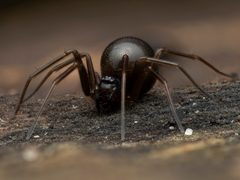
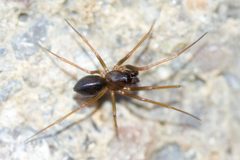
1Diplostyla is a of dwarf spiders ( Linyphiidae) established by James Henry Emerton in 1882. It contains a single , Diplostyla concolor, characterized by a holarctic distribution spanning northern Europe, Russia, and Turkey. The genus is part of the diverse sheet-web weaving spiders, though specific ecological details remain limited.
Pronunciation
How to pronounce Diplostyla: /ˌdɪplɒˈstaɪlə/
These audio files are automatically generated. While they are not always 100% accurate, they are a good starting point.
Identification
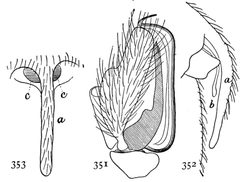
Diplostyla can be distinguished from other Linyphiidae by its status and the unique characteristics of D. concolor. As a dwarf spider genus, members are small-bodied with typical linyphiid features including unmodified male and specific genitalic structures, though precise diagnostic traits require examination.
Images
Habitat
Inferred from characteristics and distribution records: associated with northern temperate environments including and montane regions. Specific microhabitat preferences are undocumented.
Distribution
Holarctic distribution. Documented from Russia, Turkey, Denmark, Norway, and Sweden. Records suggest a circumboreal pattern typical of many northern spider .
Similar Taxa
- Other Linyphiidae generaDiplostyla is distinguished by its composition and the specific distribution of D. concolor; most other linyphiid contain multiple with broader or different geographic ranges.
More Details
Taxonomic history
The has remained since its description in 1882, with no additional described despite extensive arachnological surveys in the Holarctic region. This stability suggests either genuine rarity or cryptic diversity not yet recognized.