
Goneatara
Bishop & Crosby, 1935
dwarf spiders
Species Guides
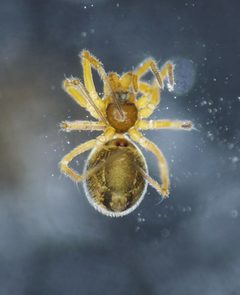
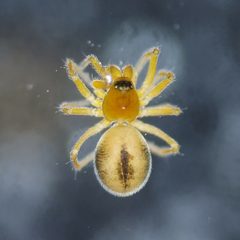
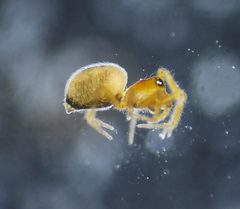
3Goneatara is a of dwarf spiders in the Linyphiidae, first described by S.C. Bishop and C.R. Crosby in 1935. The genus contains four recognized , all to the United States. These spiders are small-bodied members of the sheet-web weaving family, though specific ecological details remain poorly documented. The genus is rarely encountered in scientific literature beyond taxonomic descriptions.
Pronunciation
How to pronounce Goneatara: /ɡoʊˈniːətərə/
These audio files are automatically generated. While they are not always 100% accurate, they are a good starting point.
Identification
Goneatara are distinguished from other Linyphiidae by subtle morphological characters of the male and female , as described in the original taxonomic works. The genus name refers to distinctive features of the cephalic region. Precise identification requires microscopic examination of genitalia and comparison with .
Images
Distribution
to the United States. All four described have been recorded from various regions within the continental USA, though specific state-level distributions are incompletely documented.
Ecological Role
As members of Linyphiidae, in this likely function as small in ground-layer and vegetation-dwelling , though specific ecological studies are lacking.
Similar Taxa
- Other Linyphiidae generaMany dwarf spider share small body size and sheet-web building habits; Goneatara is distinguished by specific genitalic and cephalic characteristics described by Bishop and Crosby.
More Details
Taxonomic history
The was established in 1935 with Goneatara plausibilis as the type . Two species (G. eranistes and G. platyrhinus) were transferred from other genera upon the genus's creation. The genus has received minimal taxonomic attention since its original description.
Data deficiency
As of 2019, only four are recognized. The is represented by only three observations in iNaturalist, indicating extreme rarity in both natural history collections and citizen science records. No ecological or behavioral studies specifically targeting Goneatara have been published.