Cybaeota
Chamberlin & Ivie, 1933
Species Guides
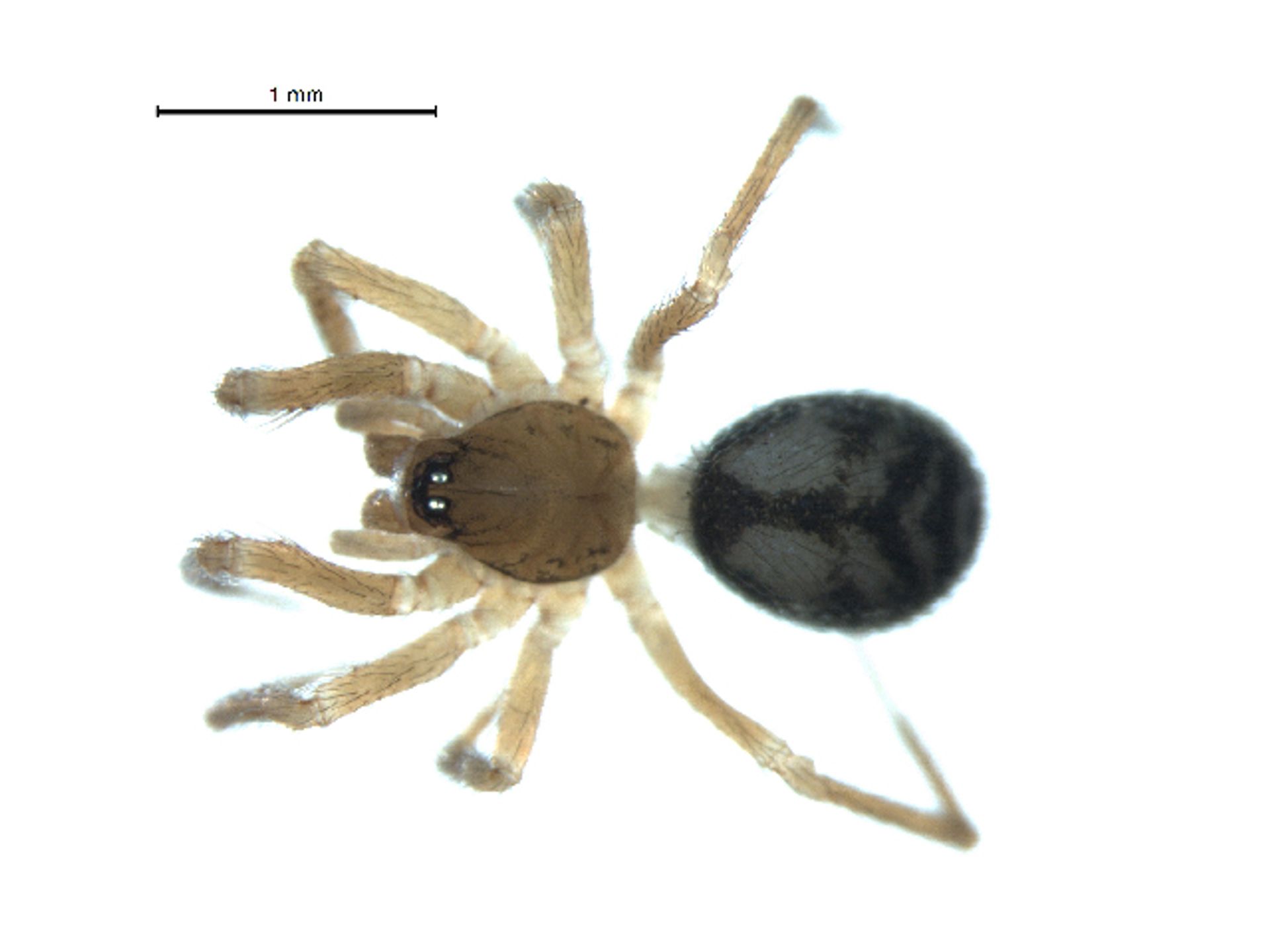
1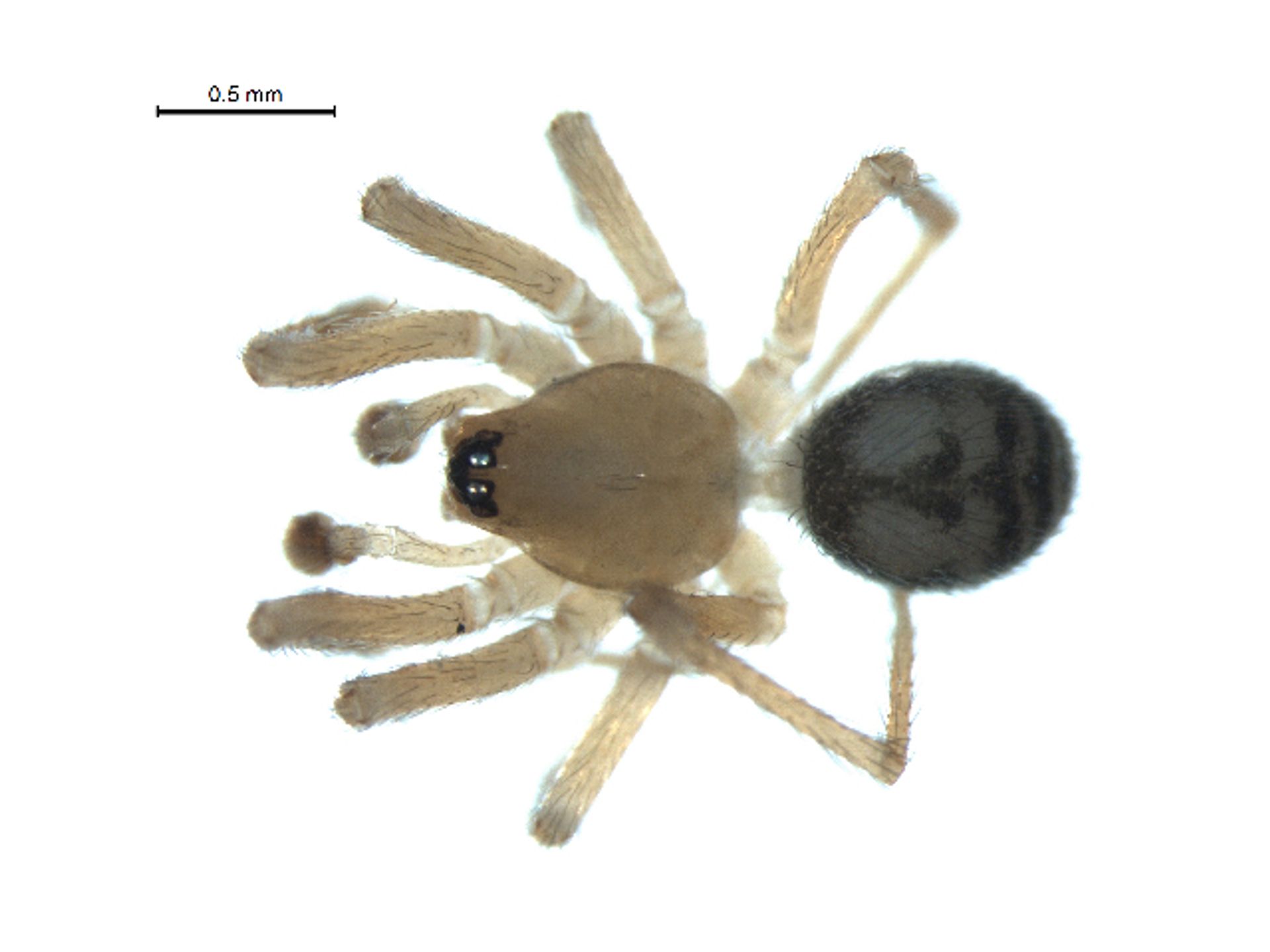
Pronunciation
How to pronounce Cybaeota: /saɪˈbiːoʊtə/
These audio files are automatically generated. While they are not always 100% accurate, they are a good starting point.
Identification
Cybaeota are small to medium-sized cybaeid spiders. The can be distinguished from related cybaeid genera by genitalic characters, particularly the structure of the male and female . C. calcarata, the type species, possesses a distinctive calcar (spur) on the male tibia I, which gives the species its name.
Images
Habitat
Cybaeota inhabit forested environments. They construct small sheet webs or silk retreats under rocks, logs, and other ground-level debris.
Distribution
Restricted to North America. C. calcarata occurs in both the United States and Canada; C. nana in the United States and Canada; C. munda and C. shastae are known only from the United States.
Similar Taxa
More Details
Taxonomic History
Originally described in 1933, Cybaeota was moved to the Cybaeidae in 1967, having previously been placed elsewhere. This reclassification reflected improved understanding of cybaeoid relationships.