
Edricus
O. Pickard-Cambridge, 1890
Species Guides
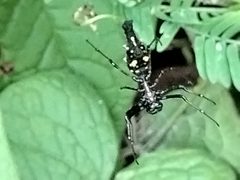
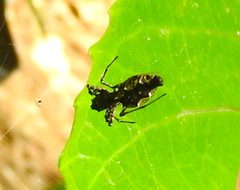
1Edricus is a of orb-weaving spiders in the Araneidae, first described by O. Pickard-Cambridge in 1890. As of 2017, the genus contains two described . Members of this genus are part of the diverse Araneidae family, which includes many familiar orb-web builders. The genus has been documented through 234 iNaturalist observations, indicating some level of detectability in the field, though specific biological details remain limited in available sources.
Pronunciation
How to pronounce Edricus: /ˈɛd.rɪ.kəs/
These audio files are automatically generated. While they are not always 100% accurate, they are a good starting point.
Identification
Without -level descriptions or diagnostic features documented in the provided sources, specific identification criteria for Edricus cannot be established. As an Araneidae , members likely possess the characteristic eight , two body segments ( and ), and typical of spiders, but distinguishing Edricus from other Araneidae genera requires examination of genitalic and other subtle structural features not detailed here. Identification to genus level presumably requires taxonomic knowledge and reference to the original description.
Images
Distribution
Specific geographic distribution data for the Edricus is not provided in available sources. The genus has been recorded in iNaturalist observations, suggesting presence in regions where observers are active, but precise range boundaries are undocumented here.
Ecological Role
Similar Taxa
- Other Araneidae generaEdricus shares the -level characteristics of orb-weaving spiders with numerous other in Araneidae. Differentiation requires examination of morphological details such as genitalia, arrangement patterns, and abdominal markings that distinguish genera within this large and diverse family.
More Details
Taxonomic history
The was established by O. Pickard-Cambridge in 1890, a prominent British arachnologist who described many spider from specimens collected worldwide. The original description and subsequent taxonomic revisions would contain the diagnostic features distinguishing this genus.
Species diversity
The contains two as of 2017, indicating it is a small genus within the large Araneidae , which contains over 3,000 species in more than 170 genera.