
Antennophorina
Infraorder Guides
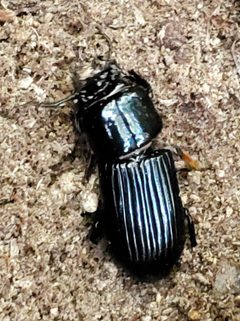
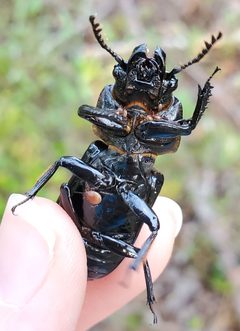
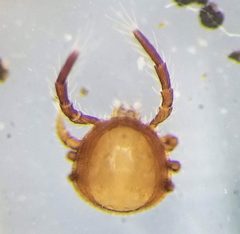
3Antennophorina is an infraorder of mites within Mesostigmata, comprising at least four (Antennophoridae, Diplogyniidae, Euzerconidae, Megisthanidae) and over 20 described . Members of this group are primarily of beetles, with documented associations to large carabid beetles and occasional records from tenebrionid beetles. The Micromegistus (family Parantennulidae) represents the best-studied element, inhabiting the subelytral space of beetles in Australia and New Zealand.
Pronunciation
How to pronounce Antennophorina: //ænˌtɛnəˈfɒrɪnə//
These audio files are automatically generated. While they are not always 100% accurate, they are a good starting point.
Identification
Antennophorina mites are distinguished within Mesostigmata by their association with the suborder Trigynaspida and their specialized symbiotic relationships with beetles. Specific morphological characters defining the infraorder are not detailed in available sources; -level identification requires examination of cheliceral and leg structures typical of trigynaspid mites.
Images
Habitat
Subelytral space of large beetles, primarily carabid beetles; recorded from wet tropical forests to temperate regions.
Distribution
Australia (Melbourne to northern Queensland), New Zealand (both islands); broader distribution likely extends to other regions given the distribution of carabid beetles.
Host Associations
- Trichosternus fax (Coleoptera: Carabidae) - type for Micromegistus thorpei
- various genera of large carabid beetles - documented for Micromegistus spp.
- tenebrionid beetles - single record, unspecified
Behavior
Occupies the subelytral space of beetles; phoretic or symbiotic association with beetles rather than free-living.
Ecological Role
of beetles; specific functional role (phoretic, commensal, or parasitic) not established in available sources.
Similar Taxa
- SejinaBoth are infraorders within Trigynaspida (Mesostigmata); Sejina are typically free-living soil or litter inhabitants rather than .
- other Mesostigmata infraordersAntennophorina is distinguished by placement in Trigynaspida and association with ; most other mesostigmatan mites are free-living or of vertebrates.