Lacturidae
Heppner, 1995
Tropical Burnet Moths
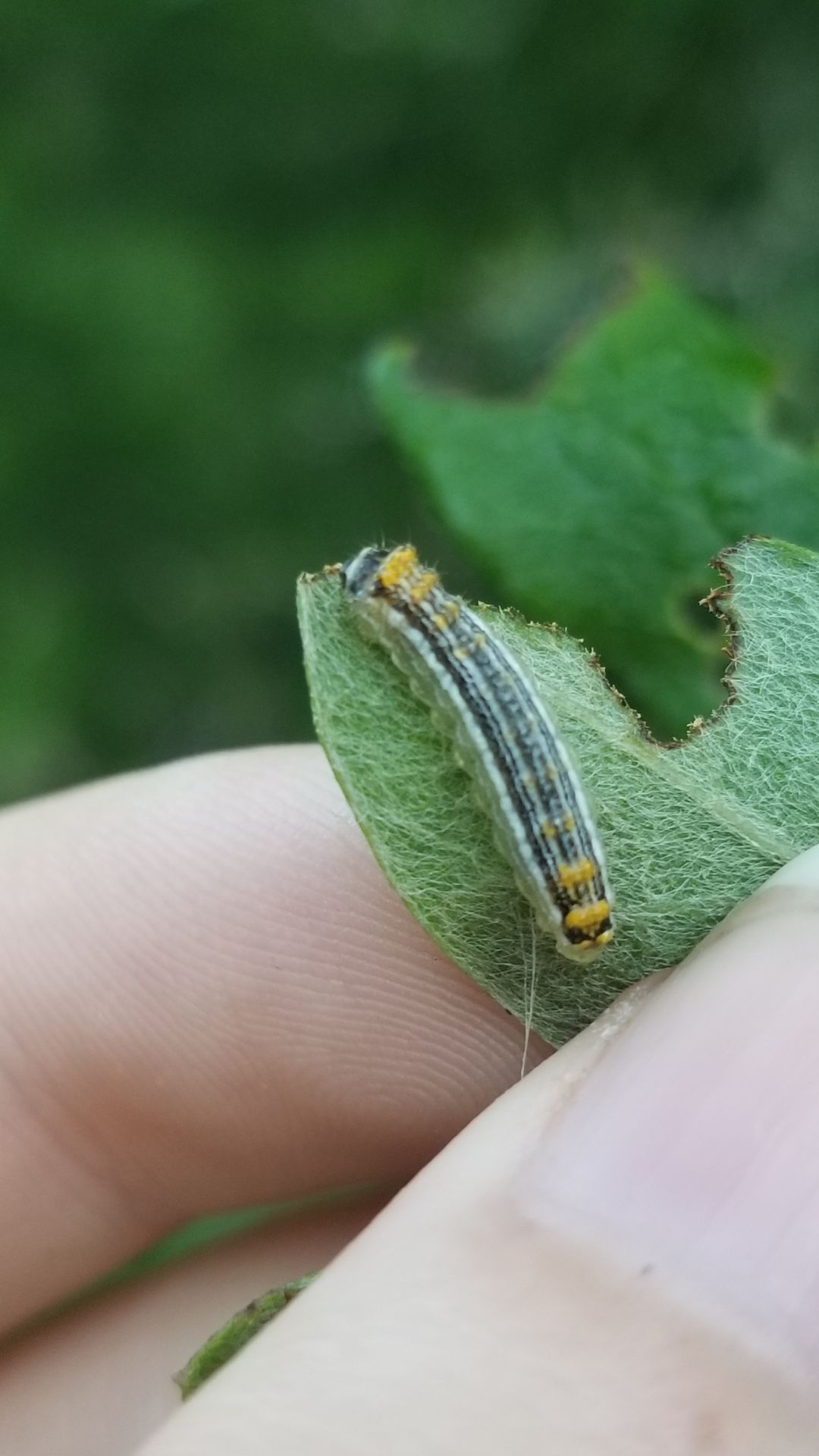
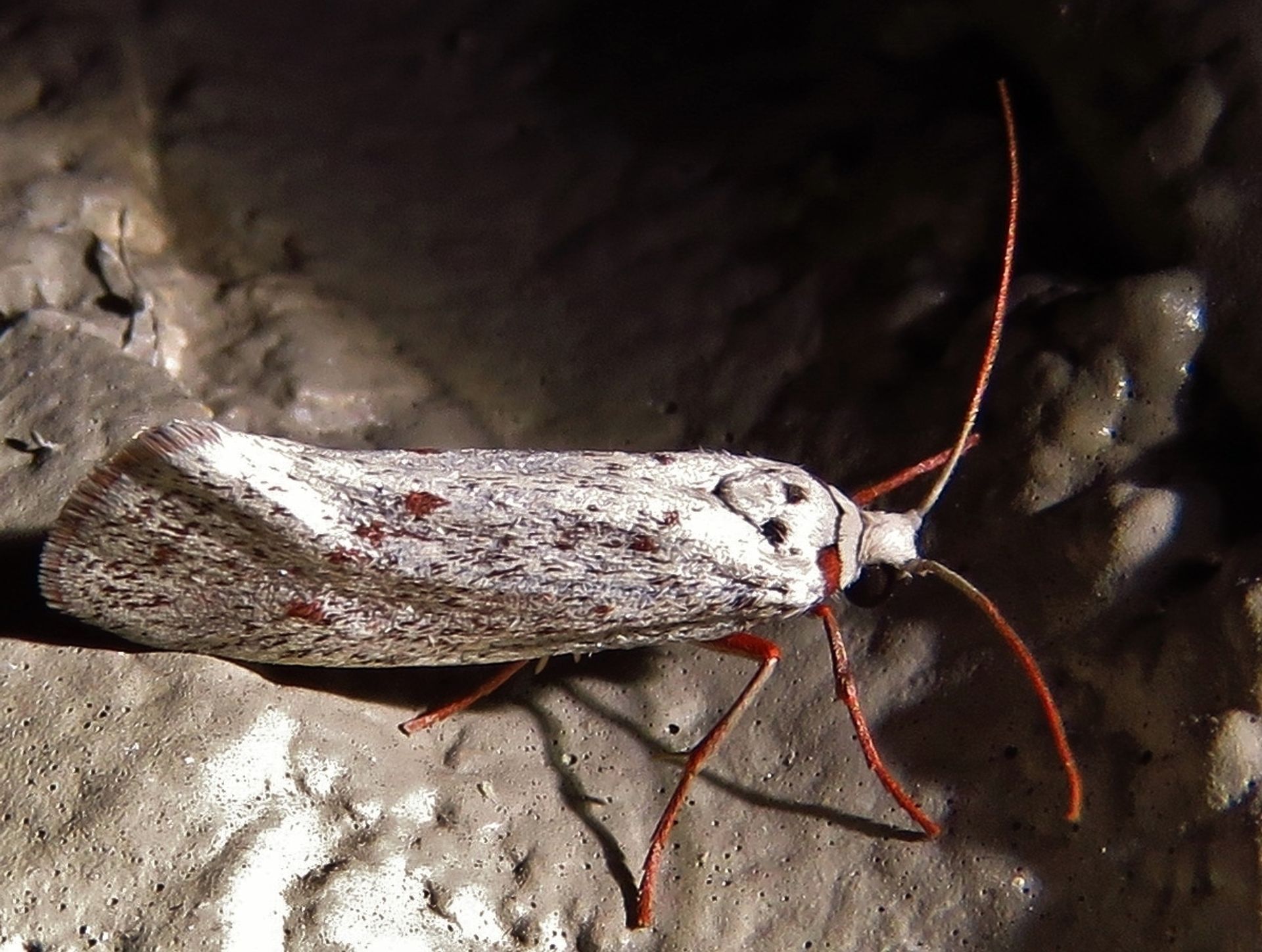
, commonly called , is a pantropical of in the superfamily . The family was established by Heppner in 1995, having been previously classified in , , or Hyponomeutidae. North have been taxonomically revised, with six species documented. The family is characterized by bright coloration and a specialized defense mechanism in .
Pronunciation
How to pronounce Lacturidae: /lækˈtjʊrəˌdiː/
These audio files are automatically generated. While they are not always 100% accurate, they are a good starting point.
Identification
can be distinguished from similar by their placement in and their bright coloration. possess glands that evert as transparent, balloon-like vesicles when threatened—a feature not found in superficially similar or . have androconial hairpencils for loading. Historic taxonomic confusion with related families has been resolved through phylogenetic analysis of nuclear and mitochondrial markers.
Images
Habitat
Tropical and subtropical regions. In North America, found in southeastern United States and Texas, including salt marsh edges in coastal Georgia and Florida.
Distribution
Pantropical distribution. North America north of Mexico: widespread in the southeast with -specific ranges including southern Hill Country of central Texas and Rio Grande Valley.
Diet
feed on Sideroxylon (Sapotaceae). Documented : Sideroxylon celestrinum.
Host Associations
- Sideroxylon - larval in Sapotaceae; primary for North
- Sideroxylon celestrinum - larval Specific documented for Lactura nalli
Life Cycle
Females clusters near leaf . Larval development includes multiple with six distinct phenotypes documented in North . are formed for . Rearing records document complete development from egg to .
Behavior
exhibit a distinctive defense : when threatened, they evert glands as transparent, balloon-like vesicles that secrete a sticky, mucilaginous fluid. rest with folded and possess androconial hairpencils used for loading.
Ecological Role
on Sapotaceae, particularly the Sideroxylon. Functions as a folivore in tropical and subtropical forest .
Similar Taxa
- PlutellidaePreviously placed in this ; distinguished by larval gland defense and androconial structures
- YponomeutidaePreviously placed in this ; distinguished by phylogenetic placement in and larval defense
- HyponomeutidaePreviously placed in this ; now separated based on molecular and morphological characters
Misconceptions
Historic taxonomic confusion across North was caused by phenotypic variation in Lactura subfervens, which was mistakenly described as multiple species. This has been resolved through phylogenetic analysis revealing that much of the variation traced to a single polymorphic species.
More Details
Taxonomic history
The has undergone repeated reclassification, previously assigned to , , , and Hyponomeutidae before recognition as a distinct family in .
Phylogenetic basis
placement and boundaries confirmed using seven nuclear and two mitochondrial CO1 loci, with larval phenotypes and data supporting six distinct species in North America.
Sources and further reading
- BugGuide
- Wikipedia
- GBIF taxonomy match
- iNaturalist taxon
- NCBI Taxonomy
- Catalogue of Life
- A Revision of North American Lactura (Lepidoptera, Zygaenoidea, Lacturidae)
- "Others": Anomoeotidae, Bucculatricidae, Choreutidae, Cossidae, Drepanidae, Galacticidae, Gracillariidae, Hyblaeidae, Lacturidae, Limacodidae, Plutellidae