
Teratembiidae
Krauss, 1911
Genus Guides
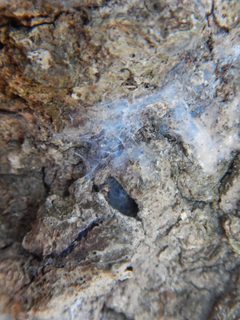
1is a of web-spinning insects in the order . The family contains at least five recognized : Dachtylembia, Diradius, Oligembia, Paroligembia, and Teratembia. Members of this family, like all embiopterans, produce silk from glands on the forelegs and use it to construct silk galleries in which they live. The family has been documented across multiple biogeographic realms including the Nearctic, Neotropical, and Afrotropical regions, with additional records from Thailand.
Pronunciation
How to pronounce Teratembiidae: /ˌtɛr.əˈtɛm.bi.aɪ.diː/
These audio files are automatically generated. While they are not always 100% accurate, they are a good starting point.
Images
Distribution
Documented from the Nearctic, Neotropical, and Afrotropical realms. Specific country records include Brazil, Colombia, Cuba, the Dominican Republic, and Thailand. The Dachtylembia has been described from Thailand, extending the 's known range into Southeast Asia.
More Details
Taxonomic composition
The comprises five recognized : Dachtylembia (described 2014 from Thailand), Diradius, Oligembia, Paroligembia, and Teratembia.